Binder Village
A Remote Forest-Steppe Gateway to the Onon Valley
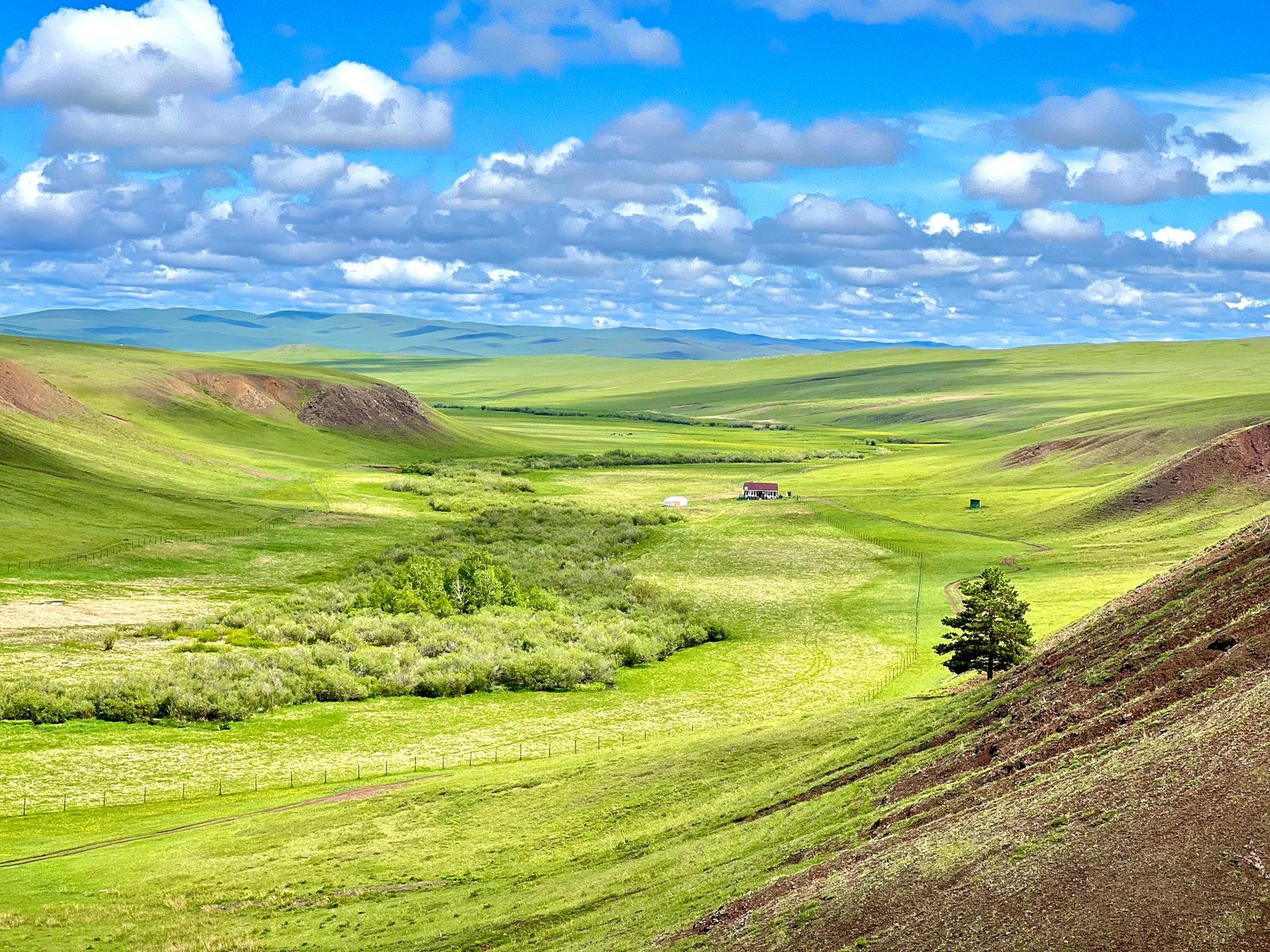
Founded in 1923, Binder is a small soum (district) of around 4,000 residents in northern Khentii Province, set within the forest-steppe landscape where the Onon River basin begins to widen. Largely untouched by mass tourism, Binder serves as a quiet staging point for travellers heading deeper into the Onon-Balj National Park and the historic Genghis Khan sites around Dadal.
Activities & Experiences
Life on the Forest-Steppe
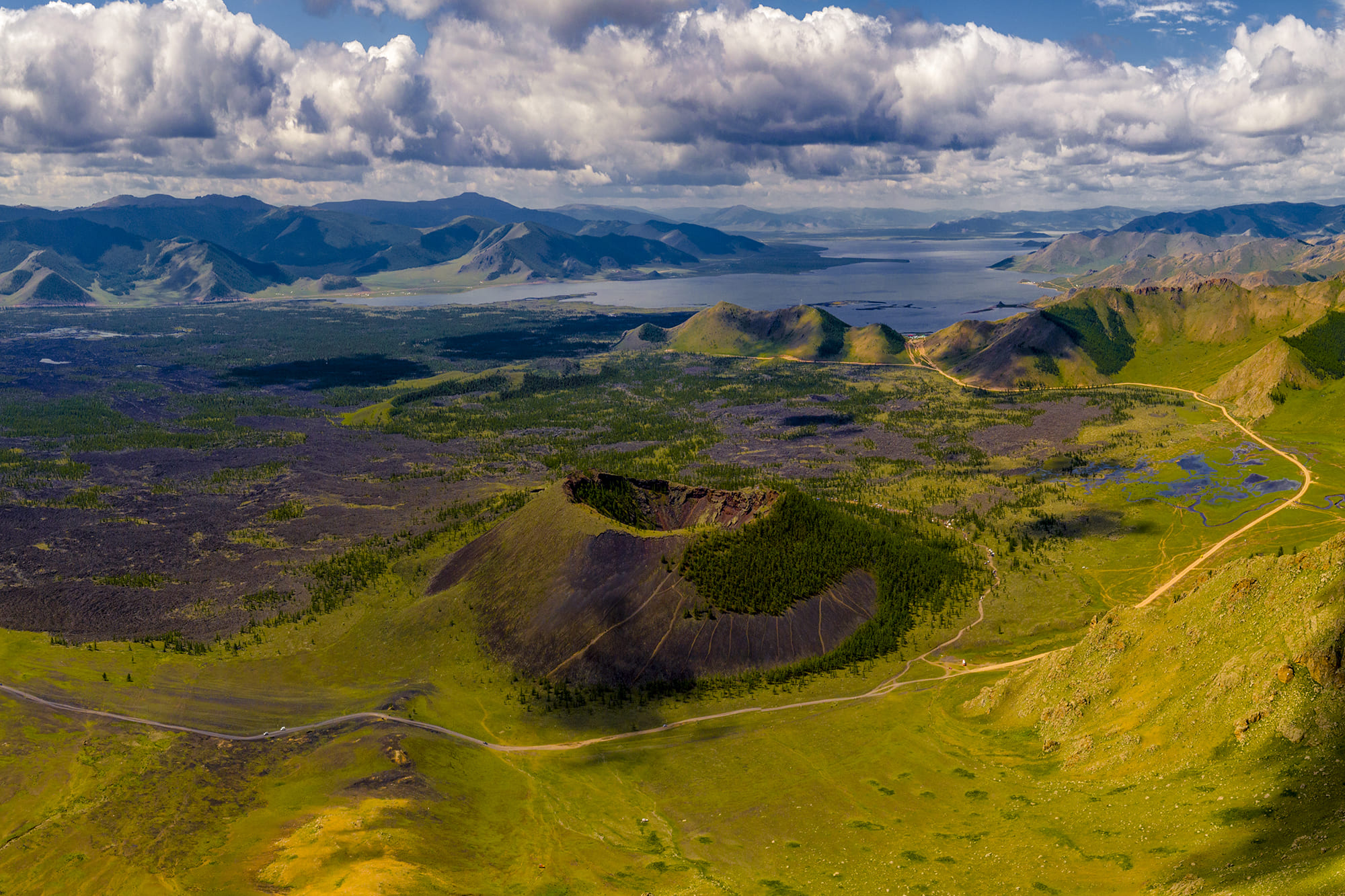
Binder sits at roughly 1,049 metres elevation within a landscape of larch and pine forest interspersed with open grassland, part of the wider protected area that spans Dadal, Binder, Norovlin and Bayan-Adraga soums. Winters here average around -23°C and summers a mild +18°C, typical of Khentii’s continental climate.
A Landscape of Rare Trees and Wildlife
The surrounding Onon-Balj National Park protects stands of Dahurian larch and Scots pine found nowhere else in this combination, alongside birch woodland — habitat for rare birds including white-naped and hooded cranes. The area’s granite outcrops and cliffs, such as the nearby Yargui Cliff, are popular for short hikes and photography.
A Gateway, Not a Destination in Itself
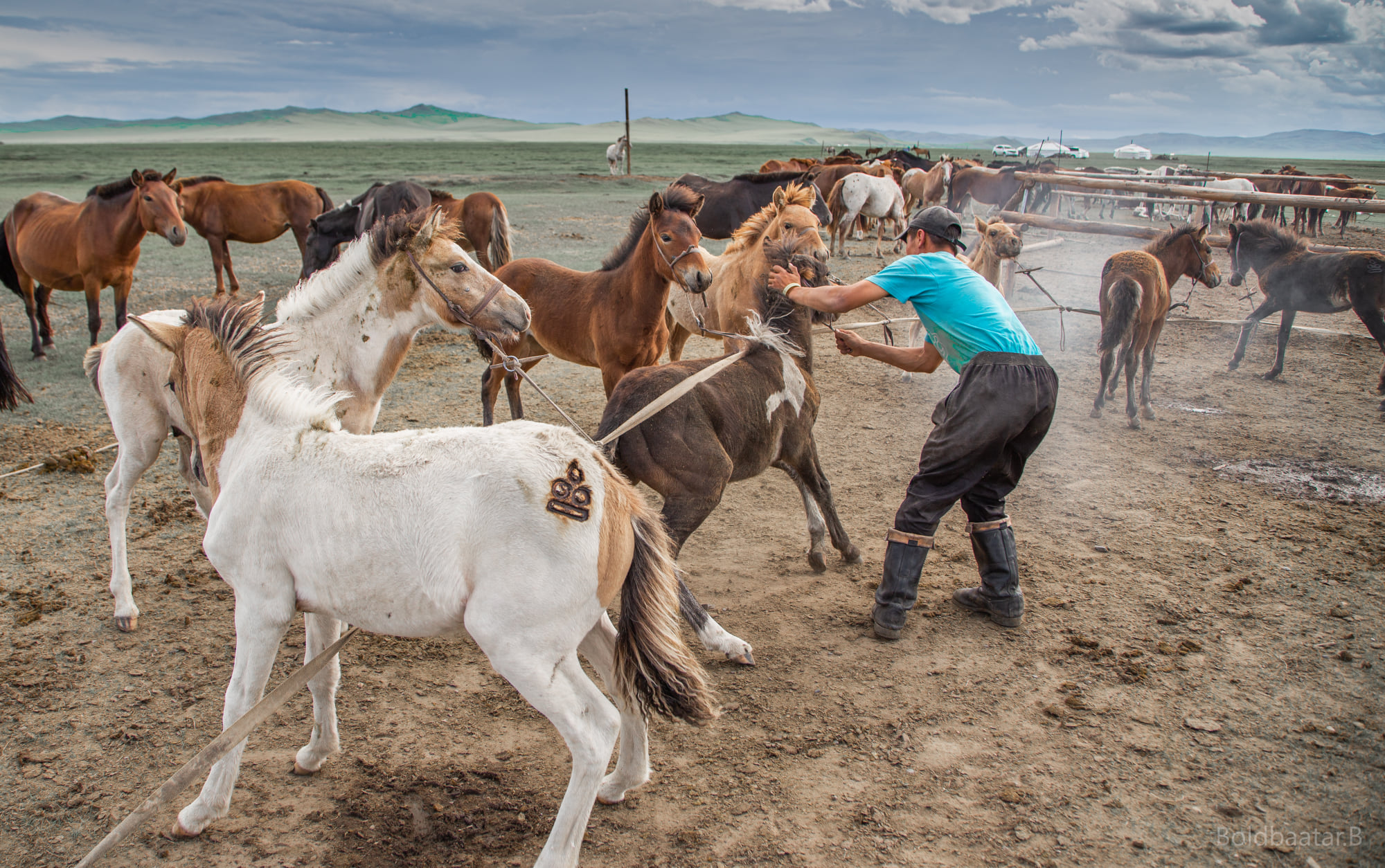
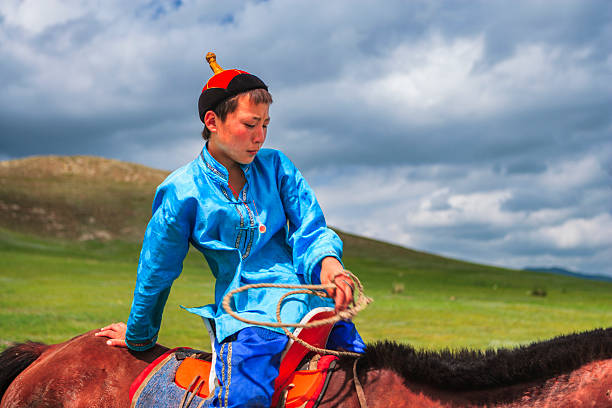
Most travellers pass through Binder en route to Dadal or the Onon River fishing camps, but the village itself offers a genuine, unpolished look at rural life in eastern Mongolia — herding families, log-built homes, and roads that see very few outside visitors.
Gallery
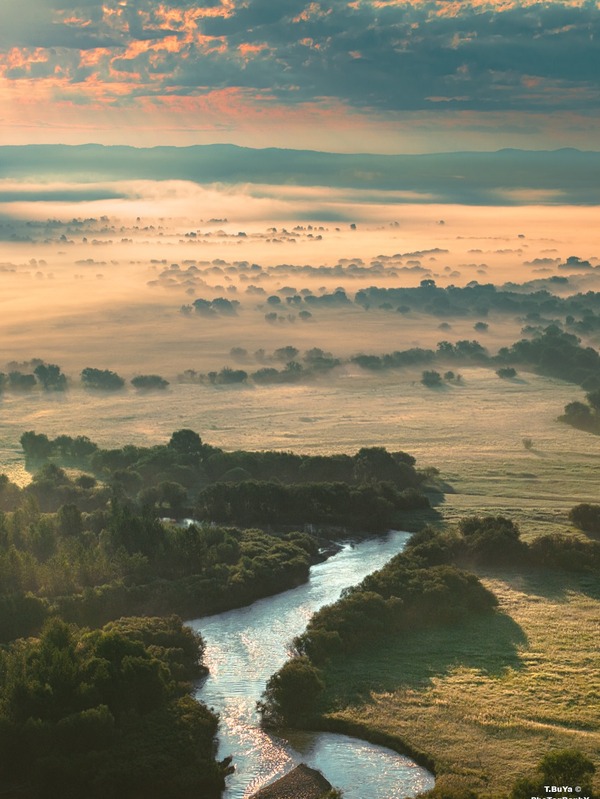
- Explore the pine and larch forests of Onon-Balj National Park
- Visit Yargui Cliff, a striking granite outcrop nearby
- Meet local herding families in a rarely-visited part of Khentii
- Use Binder as a staging point for Onon River and Dadal excursions
Why Visit
Binder rewards travellers looking for authentic, off-the-map rural Mongolia rather than a polished attraction — a genuine window into forest-steppe life on the way to the region’s more famous historical sites.