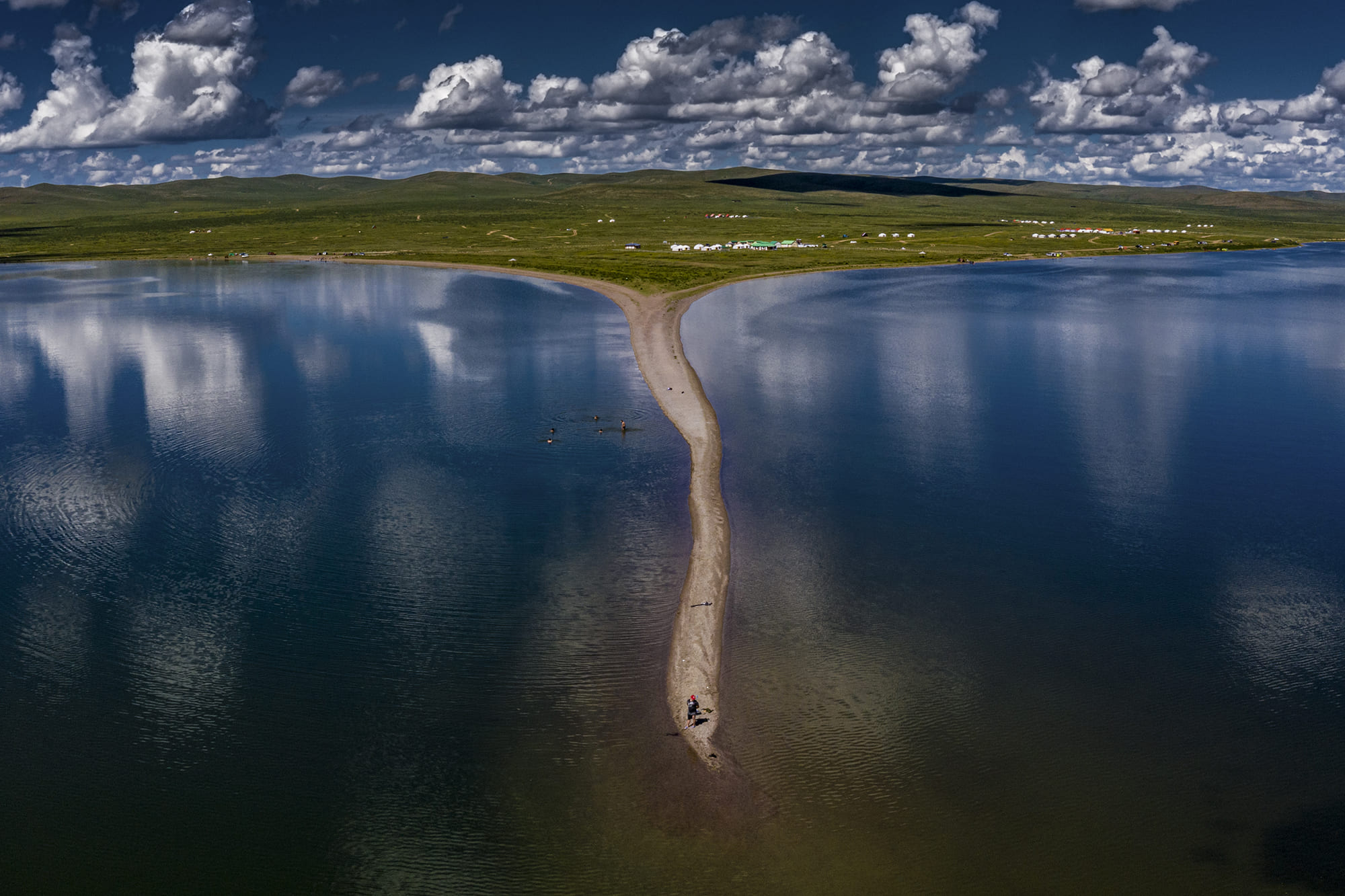
Burkhan Khaldun Mountain
Mongolia's Most Sacred Peak and the Legendary Resting Place of Genghis Khan
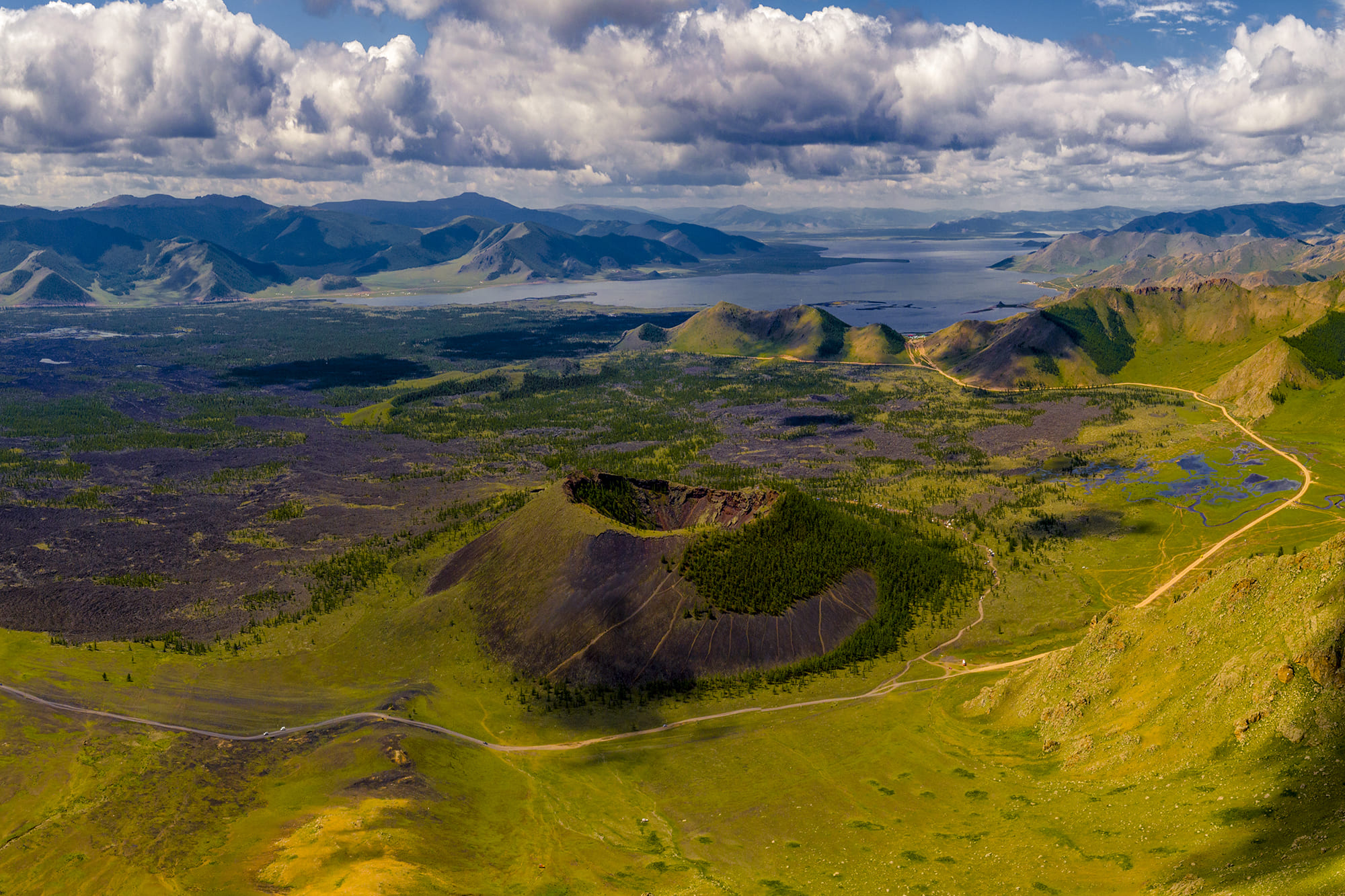
Rising to 2,340 metres in the heart of the Khentii Mountains, Burkhan Khaldun is Mongolia’s most venerated mountain — a place of shamanic and Buddhist worship for centuries before Genghis Khan formally established it as one of four sacred peaks of the empire. In 2015, UNESCO inscribed the Great Burkhan Khaldun Mountain and its surrounding sacred landscape as a World Heritage Site, recognising both its natural grandeur and its unmatched historical significance.
Activities & Experiences
Where Empire and Faith Meet
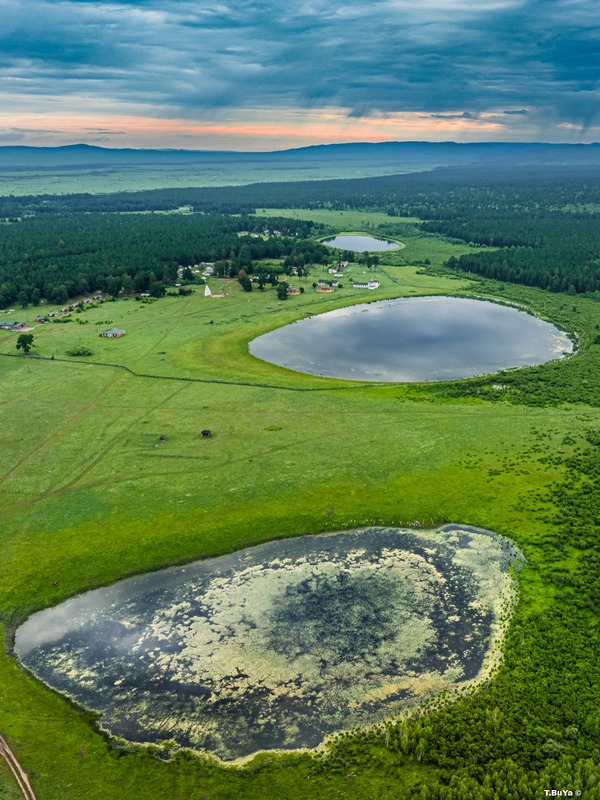
Burkhan Khaldun sits where the Central Asian steppe gives way to the coniferous taiga of Siberia, forming the watershed between the Arctic and Pacific Oceans. According to The Secret History of the Mongols, Genghis Khan prayed here in gratitude after escaping his enemies as a young man, and later formalised mountain worship as a unifying force for the Mongol peoples — a practice still observed through ceremonies blending ancient shamanic and Buddhist tradition.
The Reputed Birthplace and Tomb of a Khan
Local tradition holds that Genghis Khan was born in the shadow of this mountain and, after his death in 1227, was returned here to be buried in unmarked ground — a secret his followers were sworn to protect. The Tengeriin Ovoo, a large cairn of stones at the summit, is believed by some to mark the site, though the exact location remains deliberately unconfirmed to this day.
A Protected Wilderness
The mountain lies within the 12,000-square-kilometre Khan Khentii Strictly Protected Area, established in 1992, home to over 50 mammal species and 253 recorded bird species. Brown bear, moose, Siberian musk deer and elk roam its slopes, while the Kherlen, Onon and Tuul Rivers all trace their origins to springs near its base.
Gallery

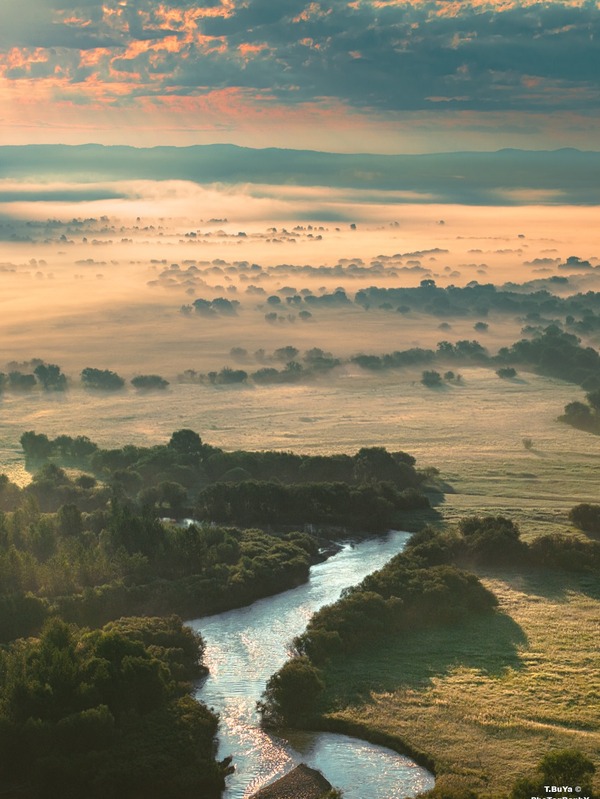
- Trek the pilgrimage path used by Mongolians for centuries
- Visit the sacred stone ovoo cairns along the ridgeline
- Learn the history behind Genghis Khan's mountain worship decree
- Spot brown bear, elk and moose in the surrounding taiga
Why Visit
Few places on Earth combine untouched wilderness with historical weight quite like Burkhan Khaldun. Standing on its slopes means walking the same sacred ground that shaped the founding of the Mongol Empire, in a landscape still largely unchanged since Genghis Khan’s time.
Visit Burkhan Khaldun Mountain
Include this amazing destination in your custom Mongolian itinerary.
Inquire Now