Bayanzag Flaming Cliffs
Where Roy Chapman Andrews Found the World's First Dinosaur Eggs
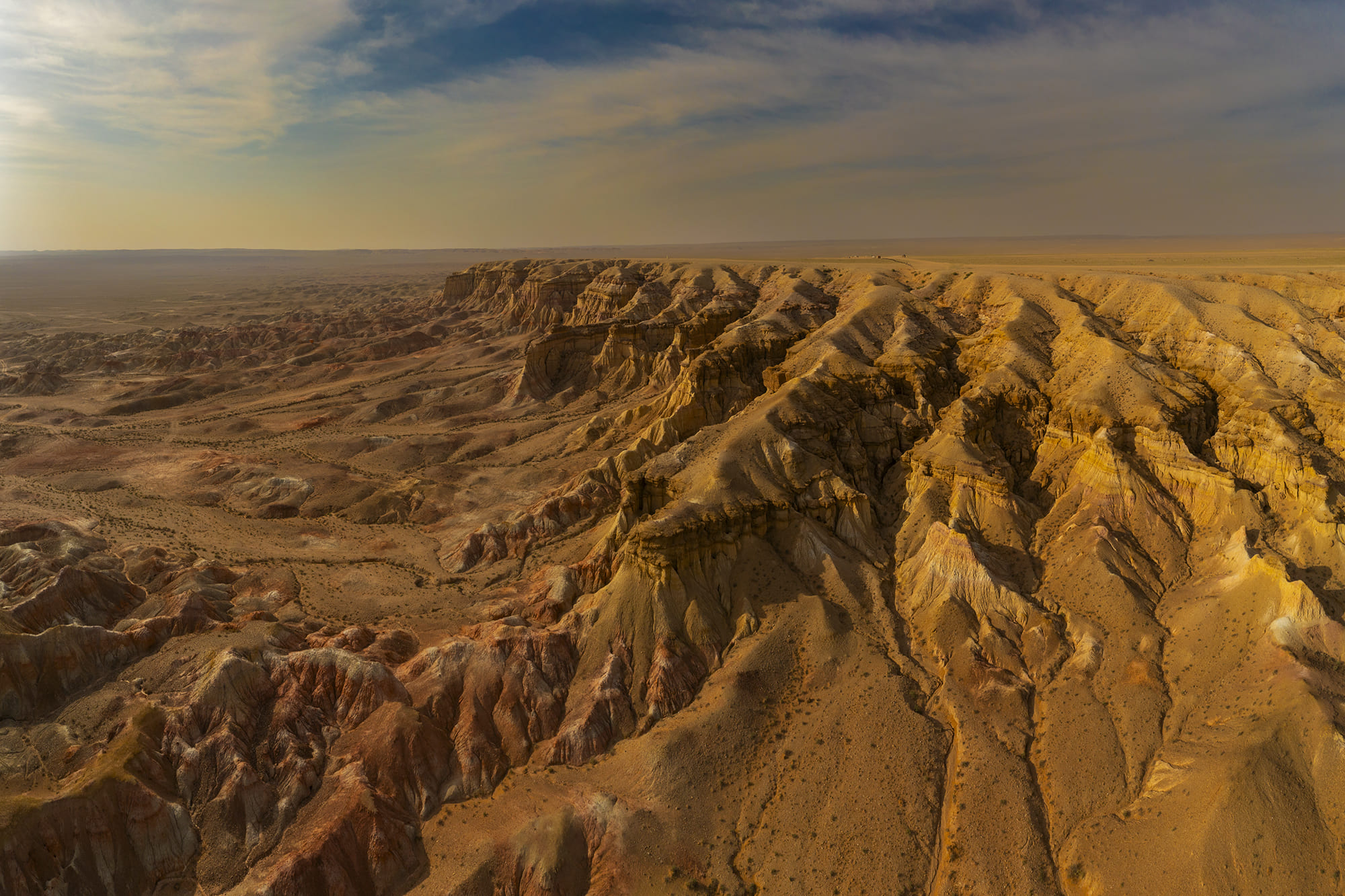
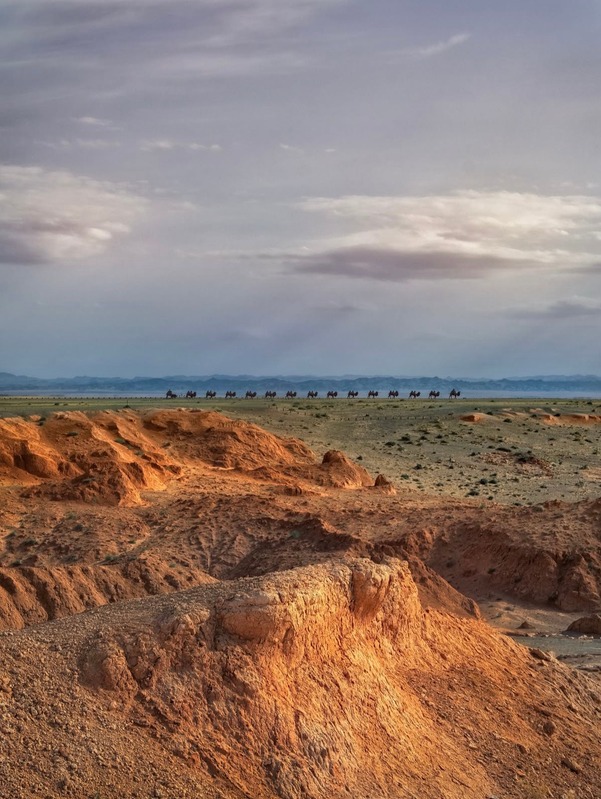
In the southern reaches of the Gobi, a stretch of red sandstone cliffs glows orange at sunset, giving Bayanzag its English name: the Flaming Cliffs. Beyond the dramatic colour, this Ömnögovi Province landmark holds one of the most important paleontological legacies on Earth, discovered by American Museum of Natural History expeditions in the 1920s.
Activities & Experiences
An Expedition That Changed Paleontology
In 1922, paleontologist Roy Chapman Andrews led an American Museum of Natural History expedition into the Gobi in search of early human ancestors. His team never found them, but in 1923 they uncovered something far more significant at Bayanzag: the first scientifically recognised dinosaur eggs ever found, alongside a nesting skeleton originally named Oviraptor, or “egg thief.”
A Twist in the Science
Decades of further research revealed that Oviraptor was actually brooding its own nest rather than raiding another’s — meaning the very dinosaur blamed for egg theft had, in fact, died protecting its young. It remains one of paleontology’s most famous cases of a name outliving the science behind it.
Sunset on the Cliffs
The red sandstone glow that gives Bayanzag its name only appears in the low, warm light of late afternoon and early evening, when the layered rock face turns shades of orange and crimson against the surrounding scrub desert. A small on-site museum displays fossil fragments and replicas recovered from the surrounding formation.
Gallery
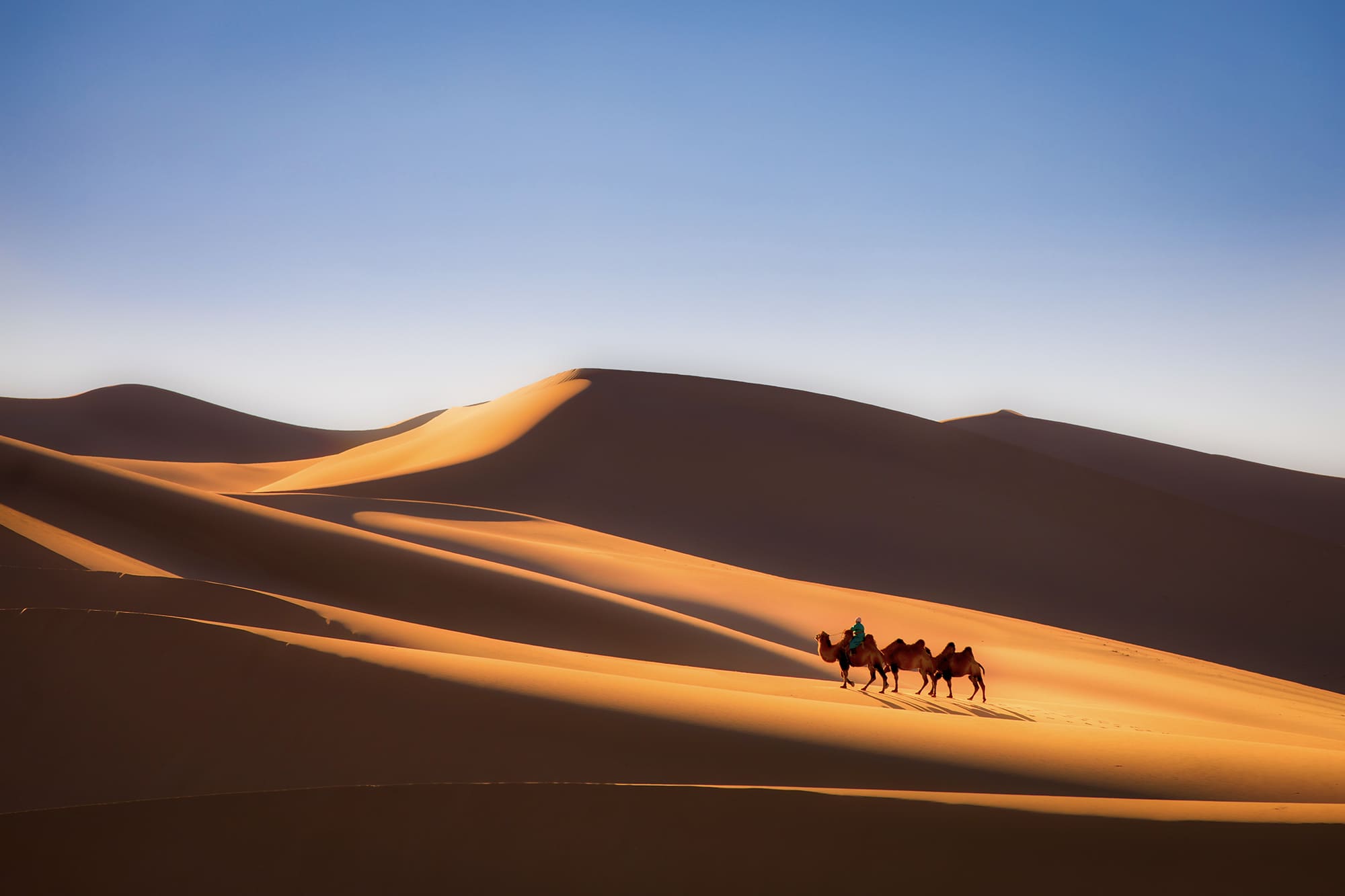
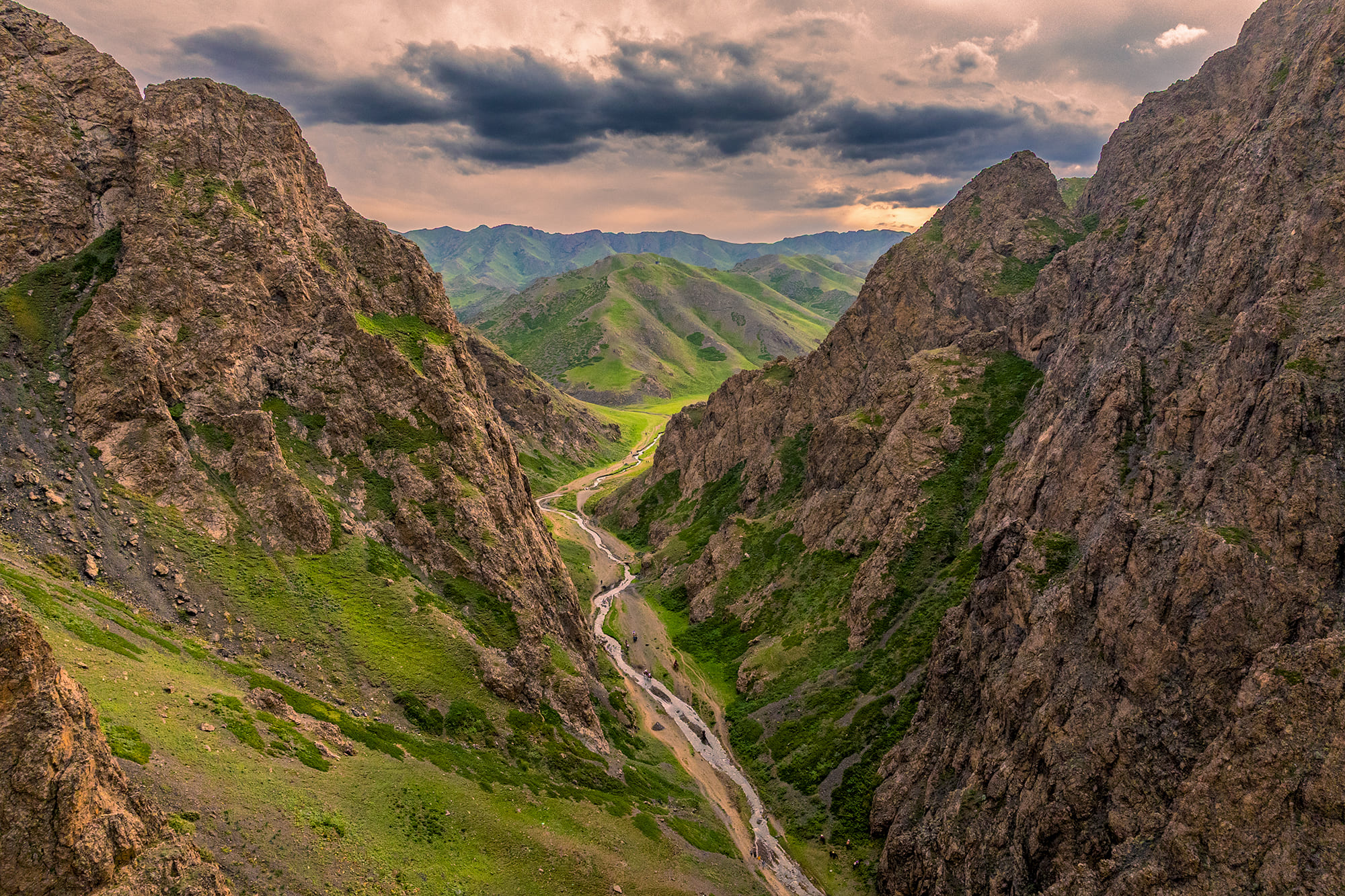
- Time your visit for the "flaming" glow of late afternoon light
- Learn the real story behind the first dinosaur egg discovery
- Visit the small on-site fossil and geology museum
- Photograph the layered red sandstone against desert scrub
Why Visit
Bayanzag pairs a landmark moment in the history of science with genuinely striking desert scenery, best experienced in the golden hour that gave the cliffs their name.
Visit Bayanzag Flaming Cliffs
Include this amazing destination in your custom Mongolian itinerary.
Inquire Now