Choijin Lama Temple Museum
A Hidden Treasure of Mongolian Buddhist Art
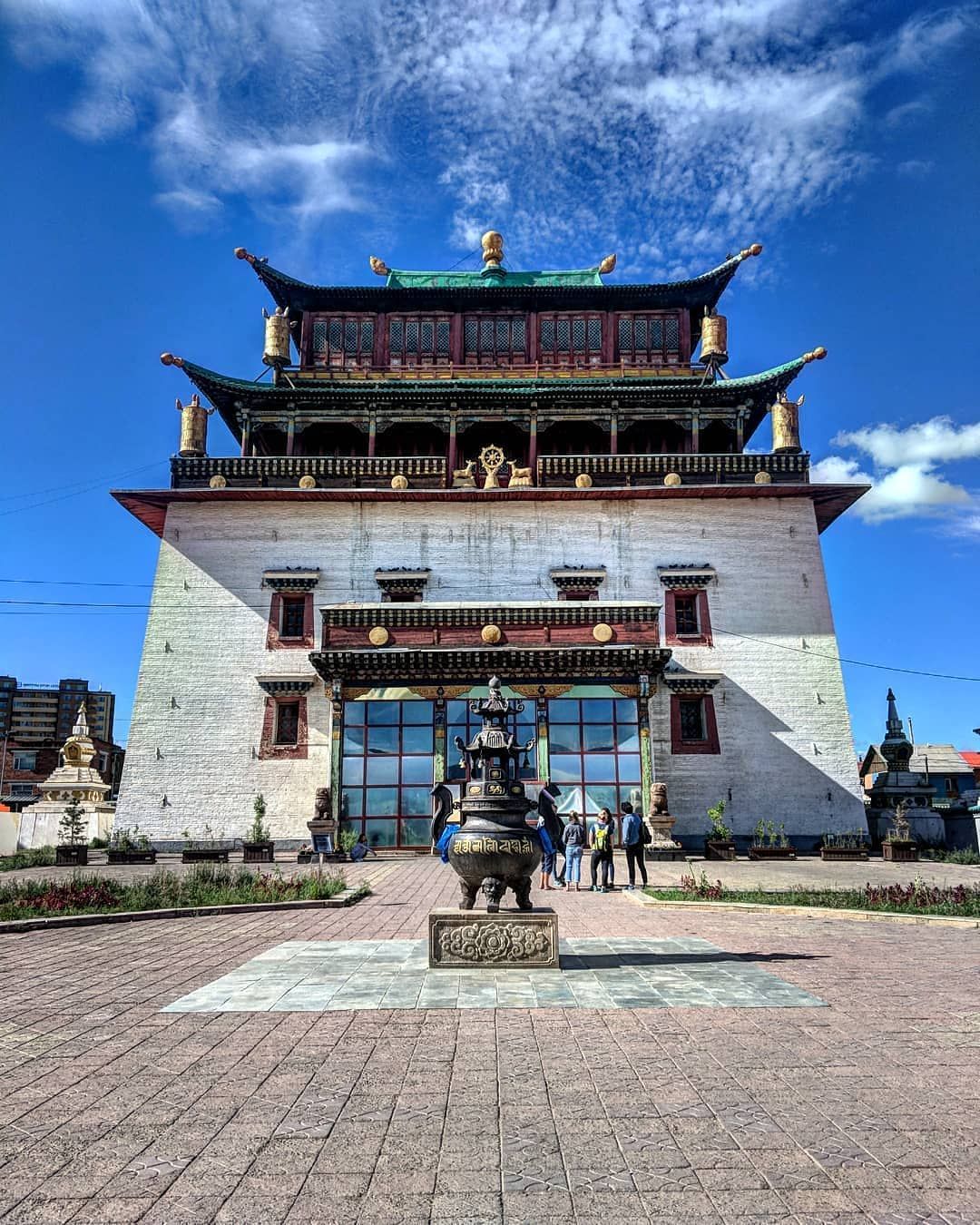
Built between 1904 and 1908, the Choijin Lama Temple Museum is one of the most beautiful and well-preserved religious complexes in Mongolia. Located in the center of Ulaanbaatar, it was originally constructed as the private monastery of the state oracle, serving both religious and ceremonial purposes. Unlike many monasteries destroyed during the 1930s purges, this complex survived and was converted into a museum in 1942, standing today as a rare and valuable example of pre-communist Buddhist architecture and art.
Activities & Experiences
The Choijin Lama
The temple was dedicated to Luvsankhaidav, the younger brother of Bogd Khan. He served as the state oracle of Mongolia, performing sacred rituals, prophecies, and spiritual ceremonies for the government. His role was deeply significant, acting as a bridge between the spiritual and political worlds during Mongolia’s theocratic period.
Architectural Complex
The museum consists of five richly decorated temples built in traditional Mongolian and Tibetan styles. Each structure is intricately designed with carved wood, vibrant paintings, and symbolic ornamentation. The main temple, along with its surrounding halls, creates a harmonious and enclosed spiritual space—remarkably preserved despite the modern city rising around it.
Gallery


Artistic and Cultural Highlights
The Choijin Lama Temple Museum is especially renowned for its exceptional collection of Buddhist art and ritual objects, including:
- Detailed thangka paintings and silk appliques
- Intricate wood carvings and gilded statues
- Masks used in Tsam religious dances
- Ritual instruments and ceremonial costumes
Many of these artifacts were saved from destruction during the purges, making the museum one of the most important repositories of Mongolian Buddhist art.
Tsam Dance and Rituals
The temple played an important role in Tsam, a sacred masked dance ritual symbolizing the triumph of good over evil. Performances were held in the courtyard, with monks wearing elaborate masks and costumes representing protective deities. Today, visitors can still see the original masks and learn about the spiritual meaning behind these dramatic ceremonies.
Survival and Preservation
During the Stalinist purges, most religious institutions in Mongolia were destroyed. The Choijin Lama Temple avoided this fate by being preserved as a museum, allowing its architecture and artifacts to remain largely intact. This makes it one of the few places where visitors can experience authentic religious art and design from Mongolia’s pre-20th-century period.
Visitor Experience
Despite being located in the heart of the city, the temple offers a quiet and atmospheric escape. Visitors can:
- Explore beautifully preserved temple halls
- View rare and detailed Buddhist artworks
- Walk through a historic monastic complex
- Experience a quiet contrast to the surrounding urban environment
The setting feels intimate and immersive, offering a deeper cultural experience than many larger sites.
Why Visit
The Choijin Lama Temple Museum is a hidden gem that showcases the artistic and spiritual richness of Mongolia’s Buddhist heritage. Its detailed craftsmanship, historical significance, and peaceful atmosphere make it a must-visit cultural site in Ulaanbaatar. For travelers interested in art, history, or religion, it offers a unique and visually stunning experience that pairs perfectly with visits to Gandan Monastery and Bogd Khan Palace Museum.
Visit Choijin Lama Temple
Include this amazing destination in your custom Mongolian itinerary.
Inquire Now