Uvs Lake
Mongolia's Largest Lake and a UNESCO Biosphere Reserve
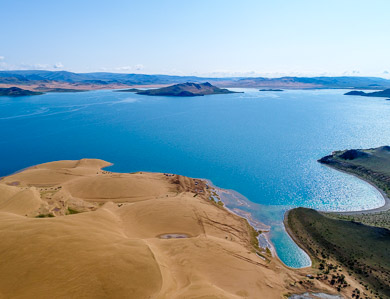
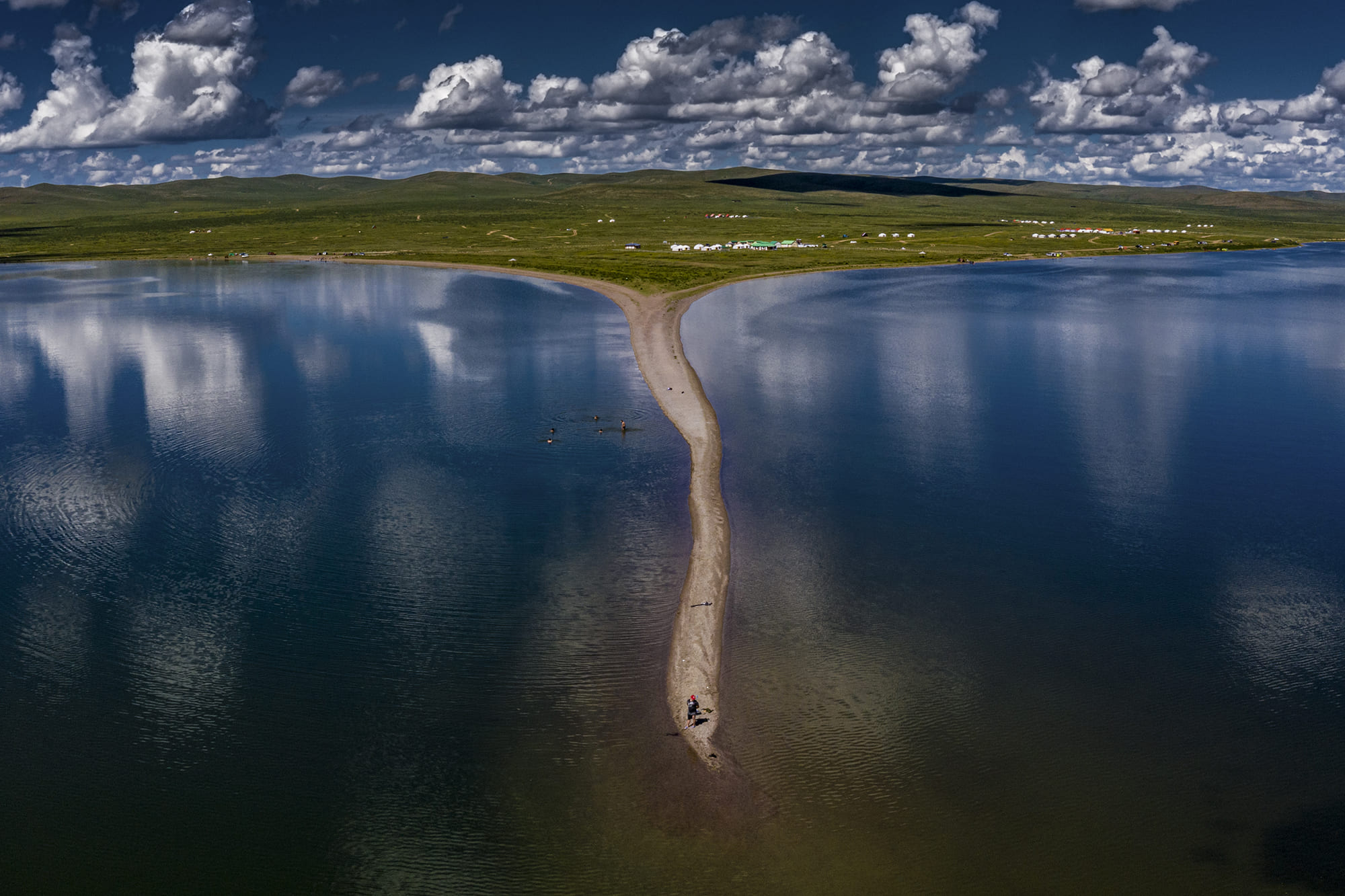
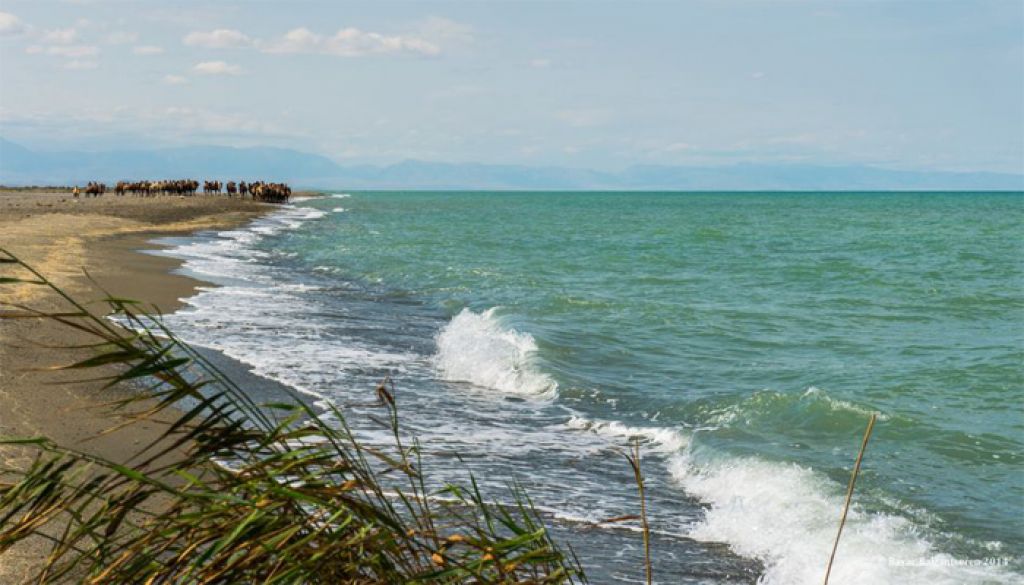
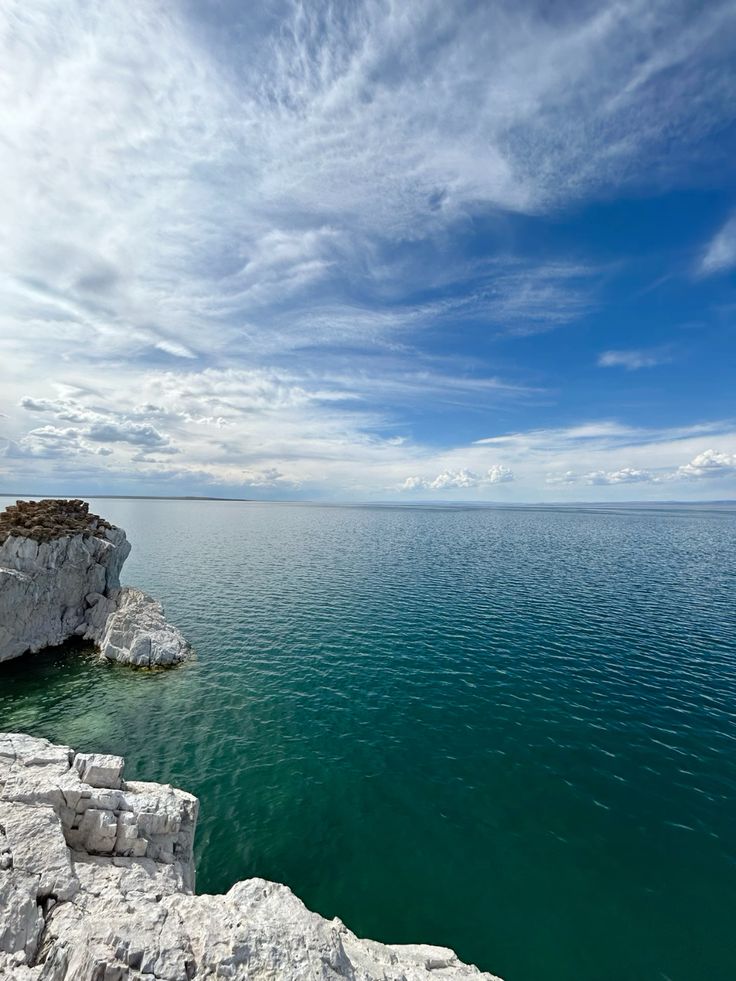
Uvs Lake is Mongolia’s largest lake by surface area, a highly saline body of water covering roughly 3,350 square kilometres in the far northwest, with a small portion crossing into Russia’s Tuva Republic. It sits at the heart of the Uvs Nuur Basin, a UNESCO World Heritage Site and Biosphere Reserve recognised as one of the largest intact watersheds in Central Asia.
Activities & Experiences
Where Siberia Meets Central Asia
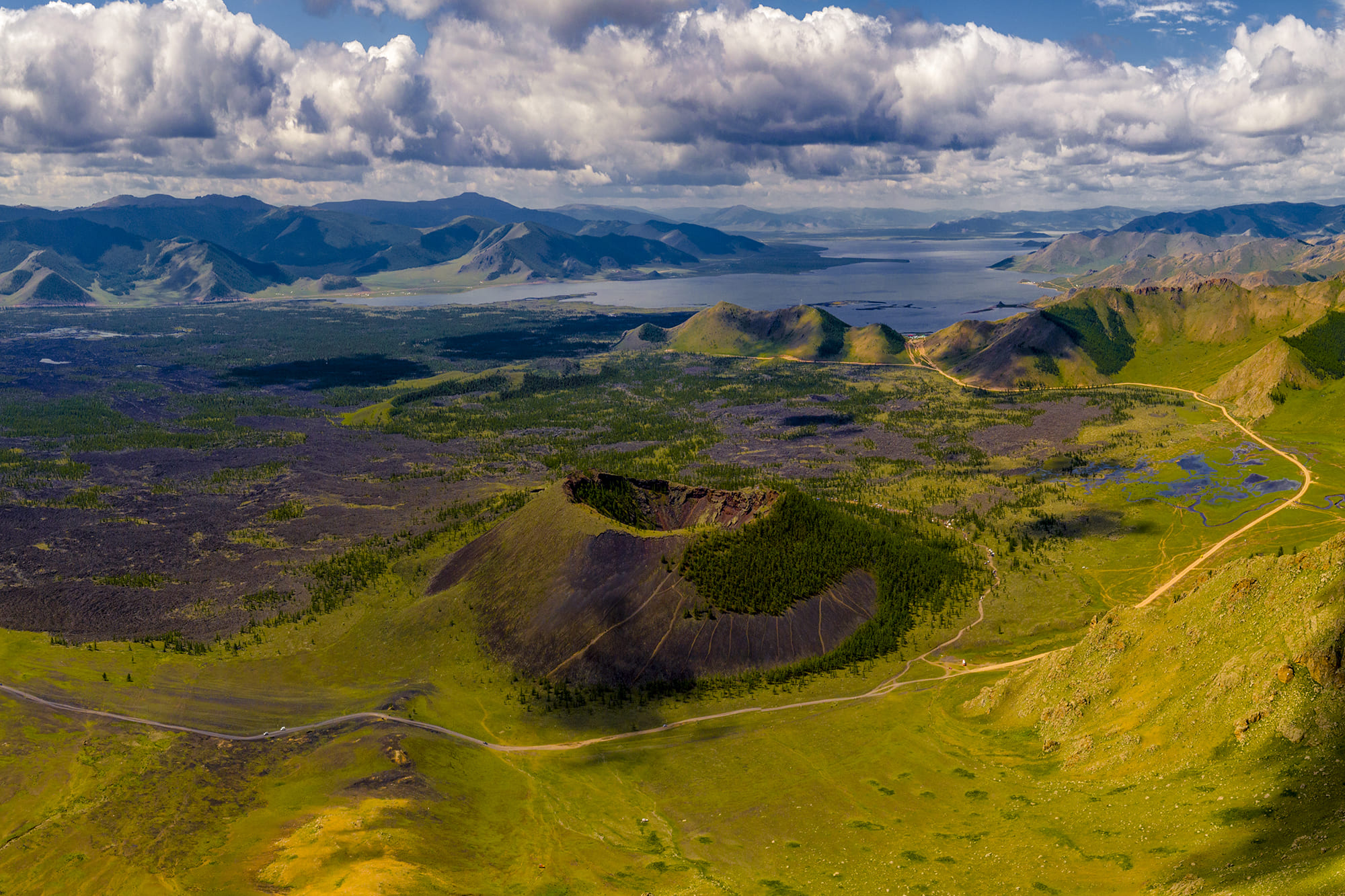
The Uvs Nuur Basin marks the geoclimatic boundary between Siberian taiga and Central Asian desert, and the region experiences some of the most extreme temperature swings on Earth for its altitude, from below -50°C in winter to over 40°C in summer. The basin was designated a UNESCO Biosphere Reserve in 1997 and inscribed as a World Heritage Site in 2003.
A Sanctuary for Migratory Birds
Fed by more than 38 tributaries, Uvs Lake and its surrounding wetlands were designated a Ramsar wetland of international importance in 2004. More than 220 bird species have been recorded here, including significant populations of migratory waterfowl that rely on the lake’s reed beds and river deltas as breeding and resting grounds.
40,000 Years of History
The Uvs Nuur Basin holds more than 40,000 archaeological sites, including burial mounds and stone stelae left by the Scythians, Turks and Huns who once inhabited the region, making it one of the most significant cultural landscapes recognised on the UNESCO World Heritage List.
Gallery

- Spot over 220 recorded bird species around the lake
- Explore Scythian and Turkic burial mounds nearby
- Photograph the dramatic desert-to-tundra transition zone
- Visit the lakeside town of Ulaangom, the provincial capital
Why Visit
As Mongolia’s largest lake and the anchor of a UNESCO-protected basin, Uvs Lake offers a rare combination of extreme landscapes, deep archaeological history and world-class birdwatching, all in one of the country’s least-visited provinces.