Ulaagchnii Khar lake
Sand Dunes and Forested Shores in Zavkhan Province
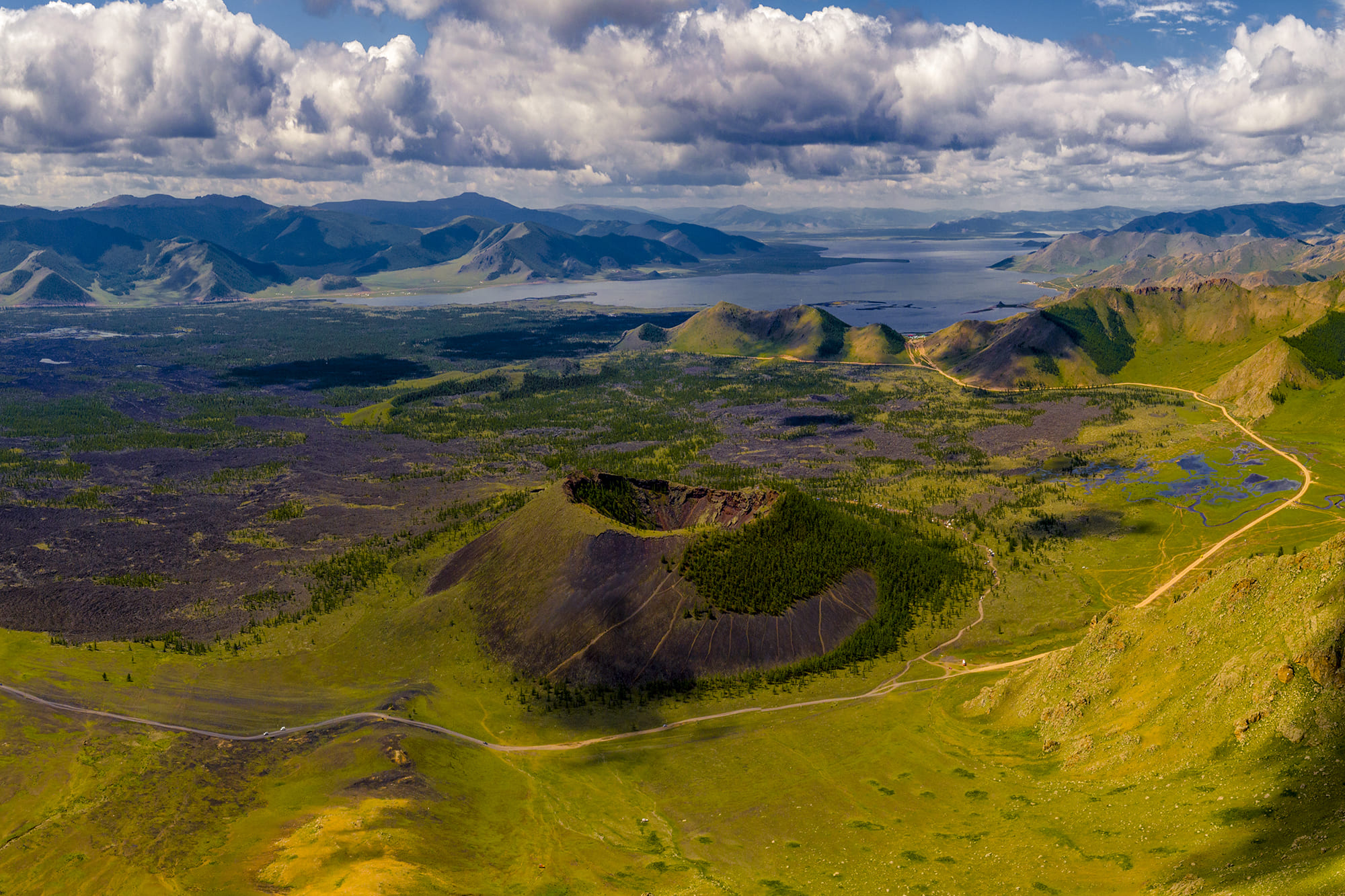
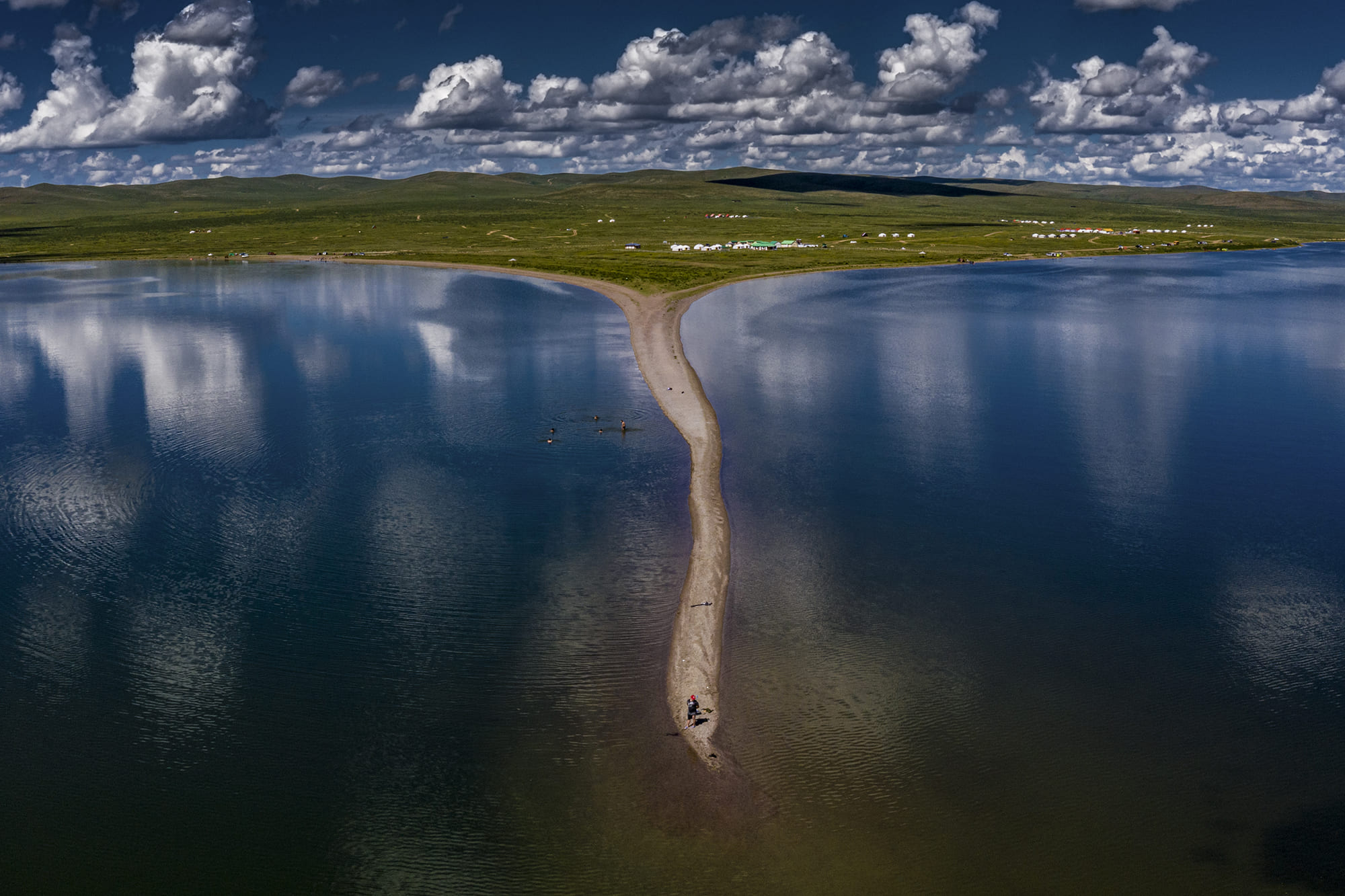
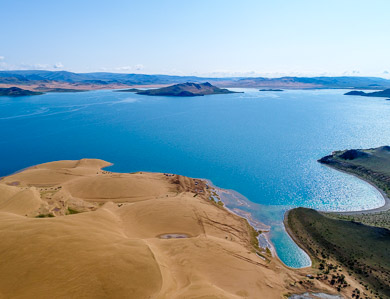
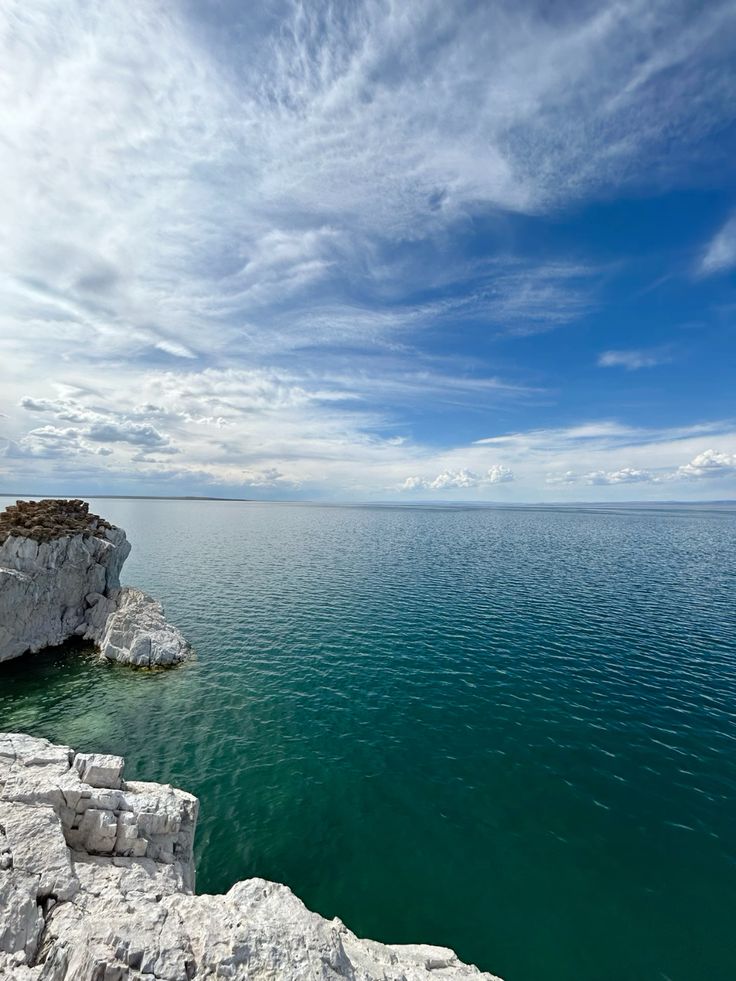
Ulaagchnii Khar Lake is a freshwater lake in Zavkhan Province, part of the Great Lakes Depression of western Mongolia and framed by golden sand dunes on one side and forested slopes of the Tarvagatai Mountains on the other. Considered one of the oldest lakes in the country, it sits at the heart of Ulaagchinii Khar Nuur National Park, a protected area established in 2010.
Activities & Experiences
Dunes Meet Forest and Water
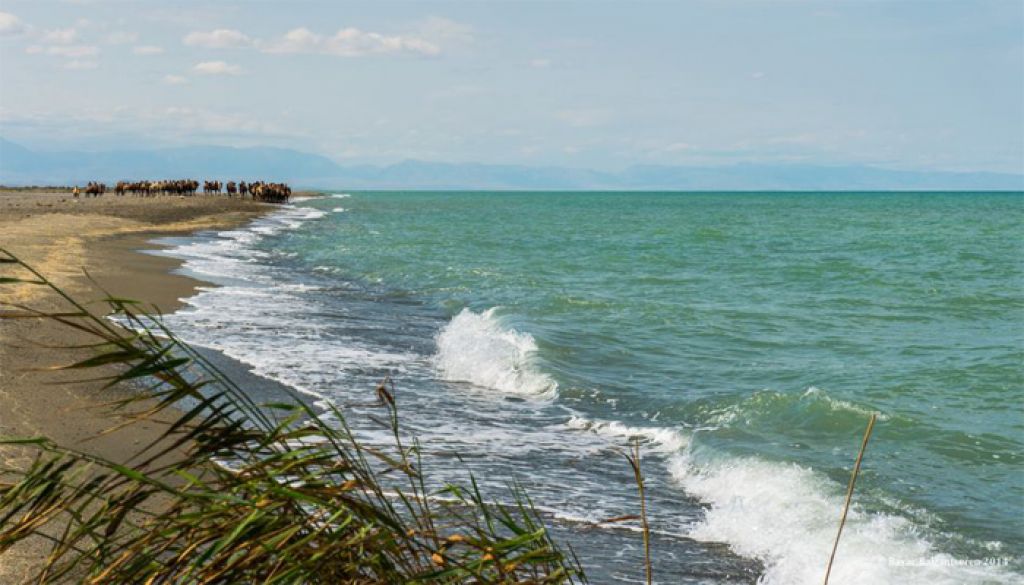
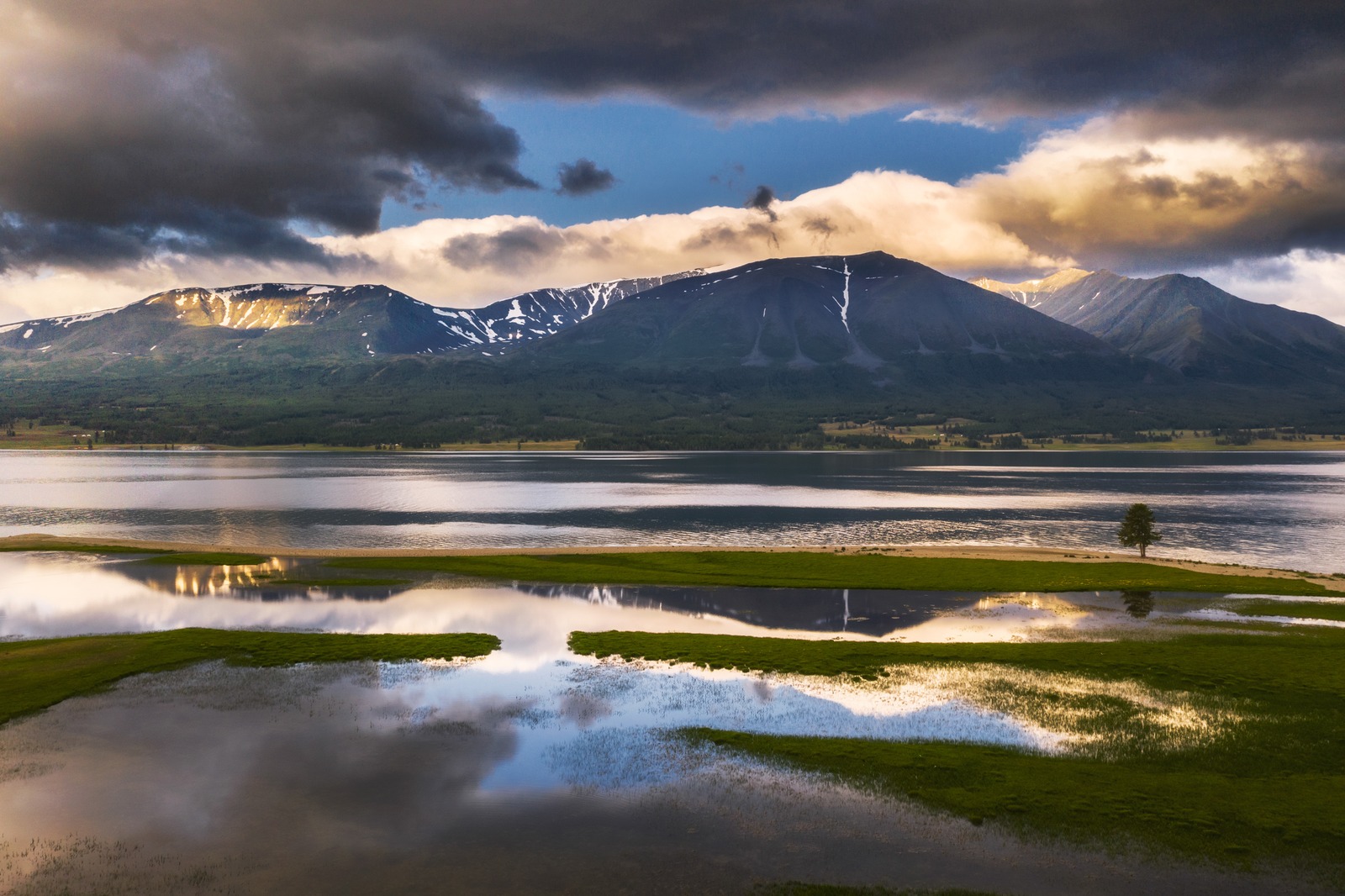
The lake stretches around 23 kilometres east to west and is bordered to the south by striking sand dunes, while forested hills and the snow-capped peak of Otgontenger, the highest mountain in the Khangai range, rise beyond. This contrast between blue water, golden sand and green woodland is what gives Ulaagchnii Khar its distinctive, almost otherworldly character.
A Protected Wilderness
Ulaagchinii Khar Nuur National Park, which also encompasses nearby Bayan Lake, was established in 2010 to protect this fragile mix of ecosystems. Nearby mountain slopes are home to rare wildlife including the snow leopard, and the lake’s reed-lined southern shore and small islands attract migratory waterfowl.
Nomadic Culture Festival
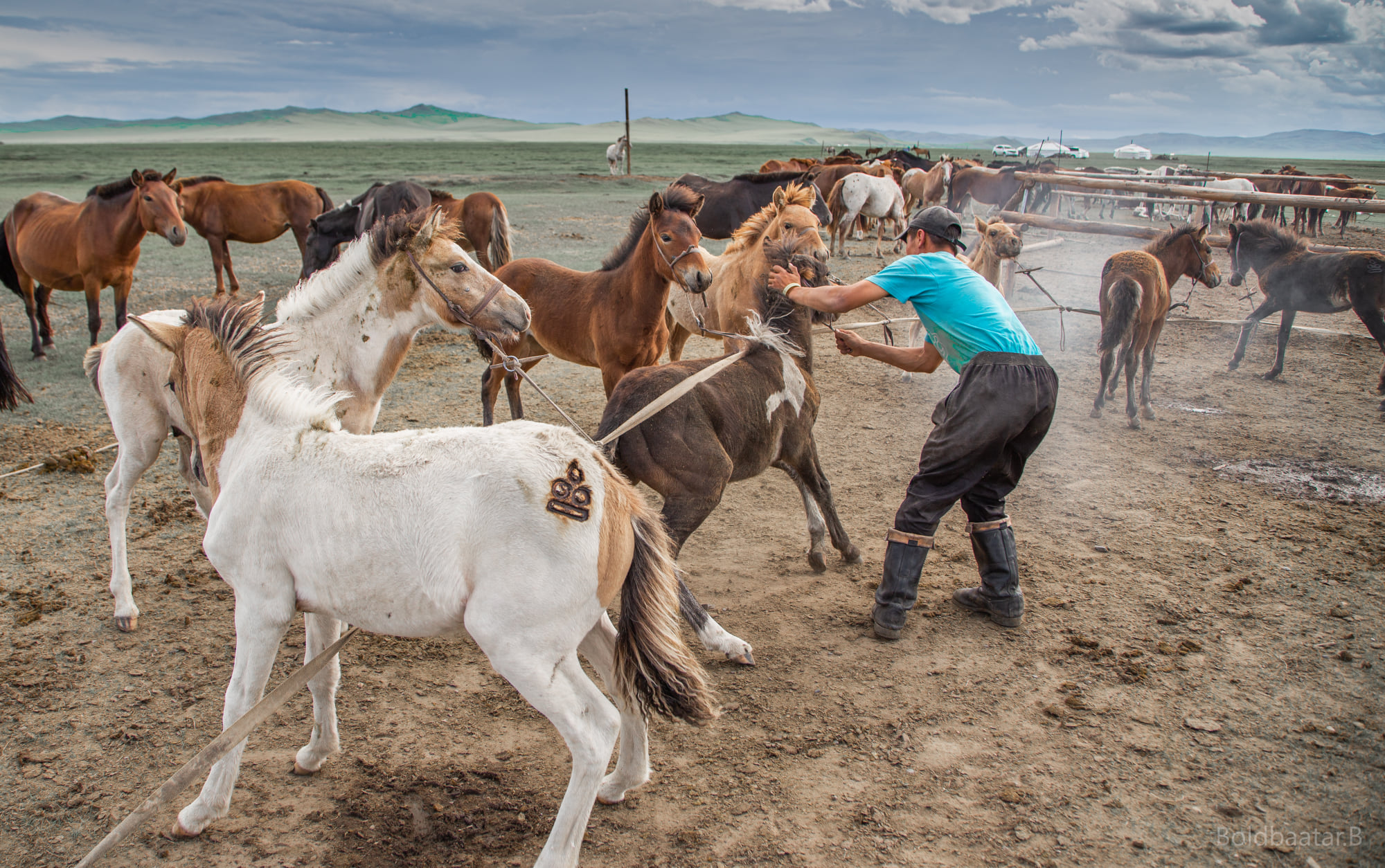
Each July, local nomadic families gather on the shore of Ulaagchnii Khar for the Nomadic Culture Festival, a celebration of traditional skills, performances and heritage that offers visitors a rare window into the customs of this remote corner of Mongolia.
Gallery
- Walk the golden sand dunes bordering the lake
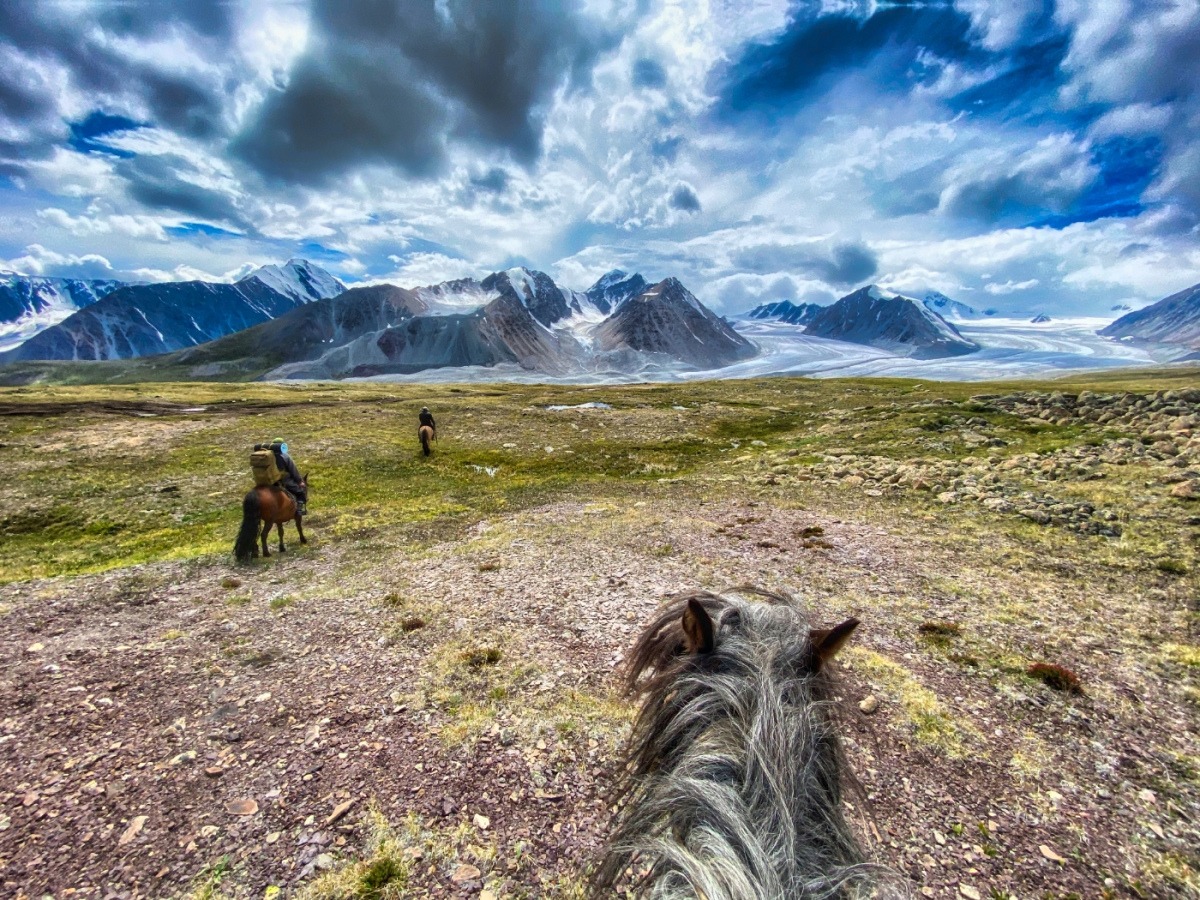
- Photograph Otgontenger Peak reflected in still water
- Visit during July for the Nomadic Culture Festival
- Look for snow leopard habitat in the surrounding hills
Why Visit
Few lakes in Mongolia combine desert, forest and alpine scenery as vividly as Ulaagchnii Khar. It rewards travellers willing to go further off the standard route with a landscape that feels genuinely undiscovered.
Visit Ulaagchnii Khar lake
Include this amazing destination in your custom Mongolian itinerary.
Inquire Now