Skip to content
Best Time to Visit Mongolia: A Season-by-Season Guide
Summer green season, golden autumn, or the Eagle Festival in winter? Here is how Mongolia’s distinct seasons shape what kind of trip you should plan.
Mongolia has one of the most extreme continental climates on Earth, and the gap between its seasons is wider than almost anywhere else you might travel. That makes timing genuinely important: the month you choose shapes the landscape you’ll see, the festivals you can attend, and how physically demanding your trip will be. Here’s an honest, season-by-season breakdown.
Summer (June to August) — peak season
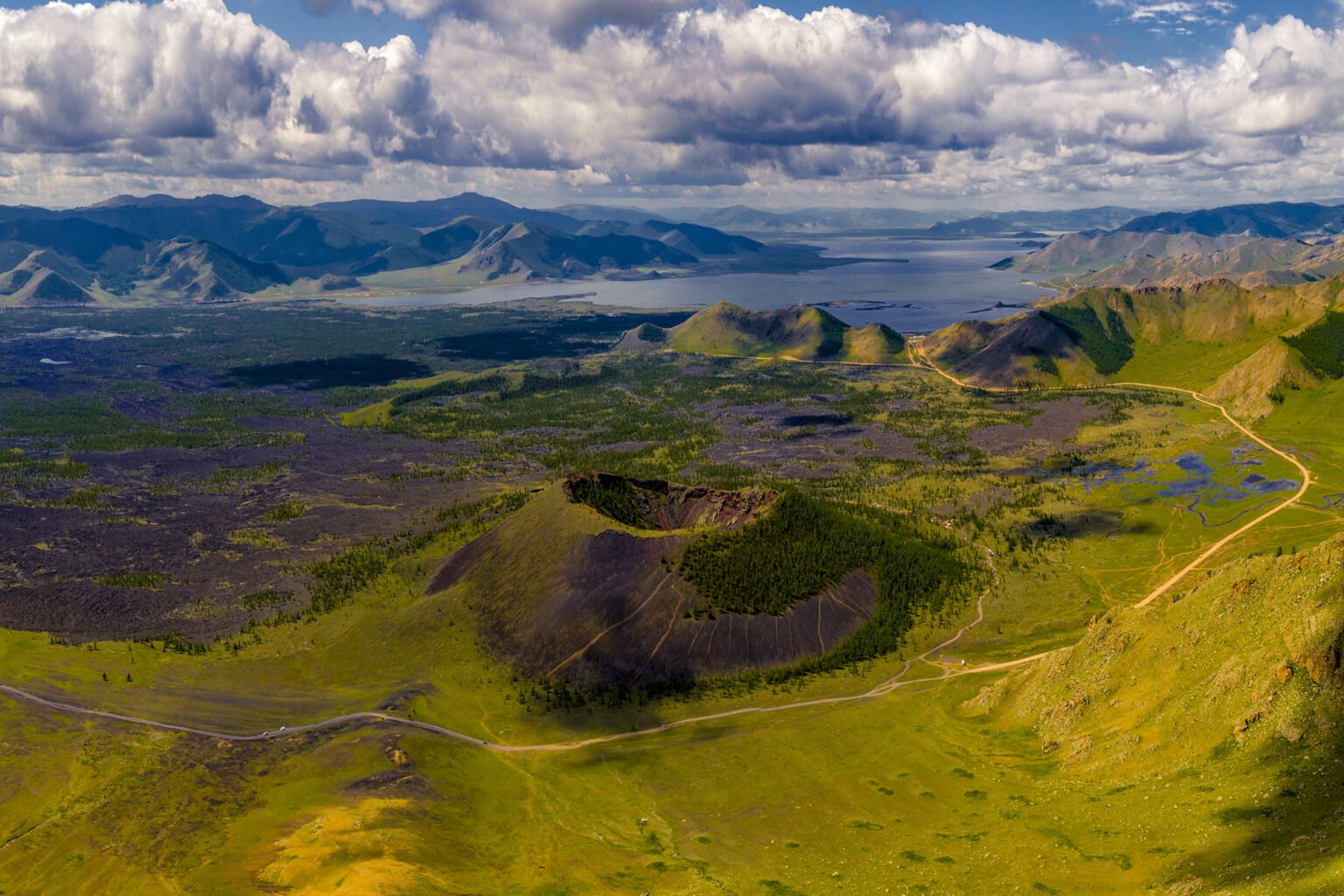
This is when most travelers visit, and for good reason. Daytime temperatures across the central steppe average around 20–25°C, the landscape turns lush and green, and this is the only realistic window for the Naadam Festival, held July 11–13 in Ulaanbaatar. It’s also peak season for a reason: expect the busiest roads, fullest ger camps, and the need to book well ahead, especially around Naadam.
Autumn (September to October) — golden light, thinner crowds
September is a favorite among repeat visitors: temperatures remain mild, the steppe turns shades of gold and amber, and the summer crowds have largely gone home. It’s also when the Golden Eagle Festival takes place in the far-western Bayan-Ölgii Province in early October, celebrating Kazakh falconry traditions against a backdrop of snow-dusted mountains.
Spring (March to May) — the quiet, honest season
Locals often consider spring the hardest season of the year, as livestock are thin after winter and the weather remains unpredictable, swinging between thaw and sudden cold snaps. For travelers, though, spring means solitude, lower prices, and a rare chance to witness herding families migrate their livestock to summer pastures — a rhythm largely unchanged for centuries. March also brings smaller regional events such as the Khuvsgul Ice Festival and the Bulgan Camel Festival in the Gobi.
Winter (November to February) — extreme, and extraordinary
Winter temperatures regularly fall below -30°C, and the country’s lowest recorded temperature sits near -57°C. It is not a season for casual travel, but for well-prepared visitors on a guided tour, winter offers empty landscapes, frozen lakes for ice festivals, and a side of Mongolia very few travelers ever see. Proper cold-rated gear and an experienced guide are essential; this is not a season to explore independently.
A special note on the Gobi Desert
The Gobi runs on its own calendar. Its cold-desert climate means summer days can reach 35–40°C while winter nights fall well below -30°C, so most travelers target April through October, avoiding both the harshest heat and the sandstorm-prone early spring weeks.
Booking tip
If your trip is built around Naadam (July 11–13), plan to book accommodation in Ulaanbaatar several months ahead — it is the single busiest week of the Mongolian travel calendar.
If you want festivals and reliable roads, aim for June through September. If you want solitude and are comfortable with more unpredictable conditions, spring and autumn both reward the effort. Winter is reserved for travelers who know exactly what they’re signing up for — but for those who do, it may be the most memorable season of all.
Plan Your Gobi Adventure
Let our team build a custom Mongolia itinerary around the places in this article.
Inquire Now