Orkhon Valley
A UNESCO Cultural Landscape Where Empires Rose Along the Steppe
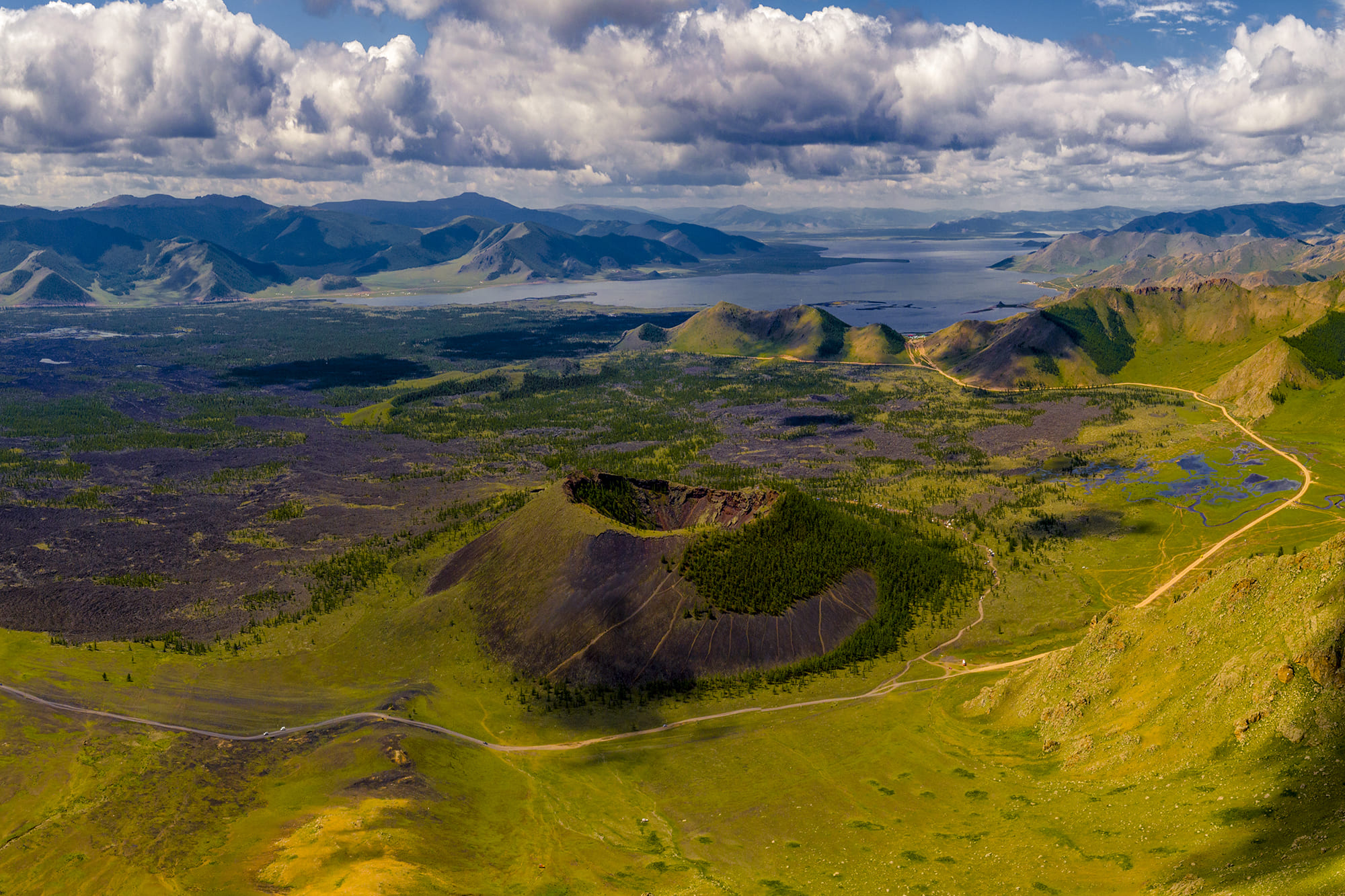
Stretching along the banks of the Orkhon River some 320 kilometres west of Ulaanbaatar, the Orkhon Valley Cultural Landscape has been home to a succession of nomadic empires for more than two millennia. Inscribed by UNESCO in 2004, the 121,967-hectare valley encompasses the ruins of Kharkhorum, Chinggis Khan’s 13th-century imperial capital, alongside Buddhist monasteries and the remnants of earlier Turkic and Uyghur states — a landscape still grazed by nomadic herders today, just as it has been for centuries.
Activities & Experiences
A Crossroads of Central Asian Empires
Archaeological evidence shows the valley was continuously inhabited for over 100,000 years, and from the 6th century onward it served as the seat of successive steppe powers, including the Xiongnu, Göktürks, Uyghurs and finally the Mongols. An 8th-century stone stele bearing Orkhon inscriptions, raised by the Göktürk ruler Bilge Khan, remains one of the earliest written records of a Turkic language.
Kharkhorum, Capital of an Empire
Founded in 1220 by Genghis Khan, Kharkhorum served as the administrative heart of the Mongol Empire, governing territory stretching from Korea to Eastern Europe and controlling Silk Road trade between Asia and Europe. Though little remains above ground today beyond scattered granite turtle monuments and building foundations, the site’s significance to world history is hard to overstate.
A Living Nomadic Landscape
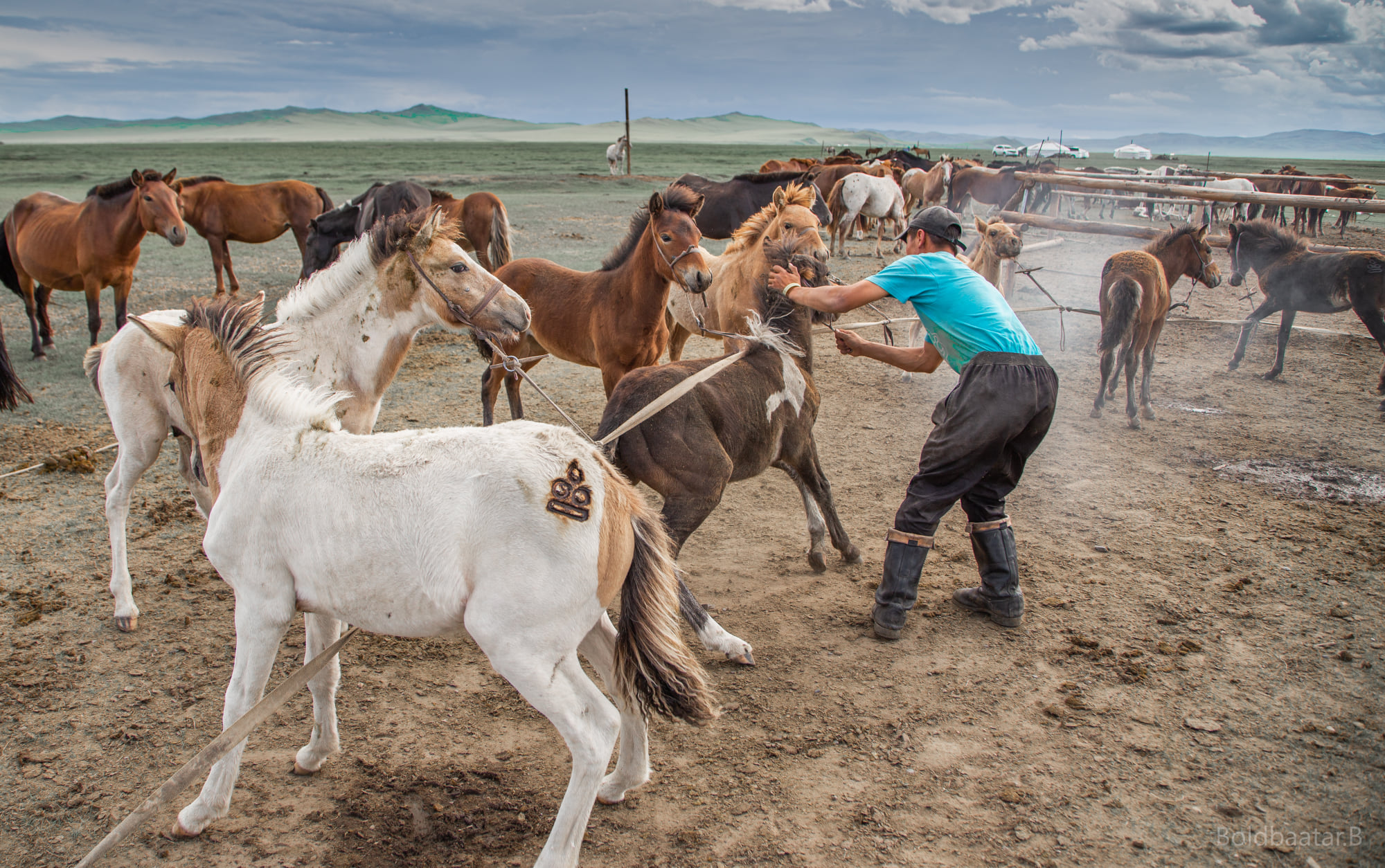
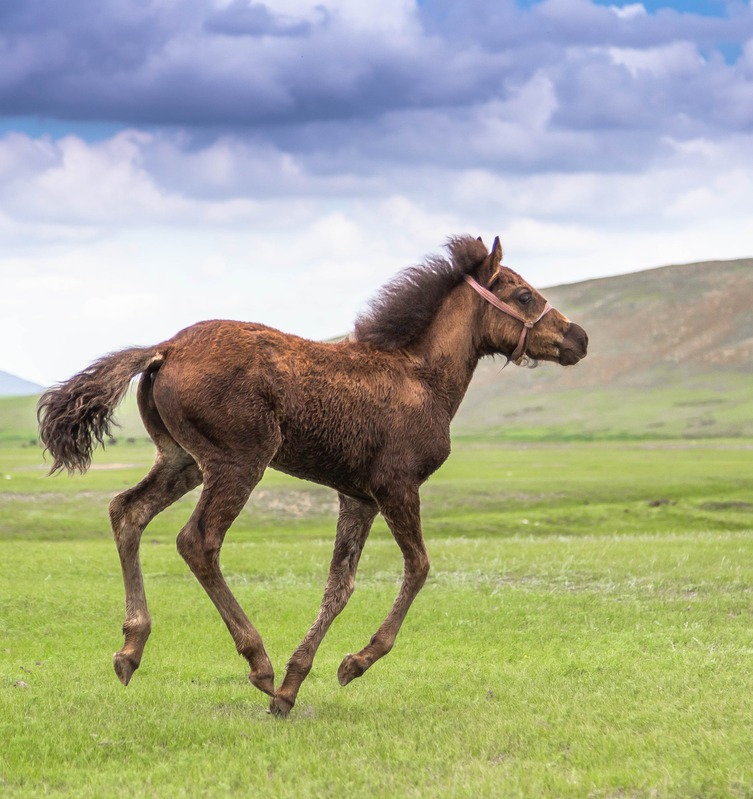
What sets the Orkhon Valley apart from many historical sites is that it remains an active, living landscape — its pastures still grazed by the gers, horses, yaks and camels of nomadic Mongolian families, exactly the kind of pastoral continuity UNESCO recognised in its inscription. The valley also holds the dramatic Orkhon Waterfall (Ulaan Tsutgalan), where the river drops roughly 20 metres over a basalt cliff into a rocky canyon.
Gallery
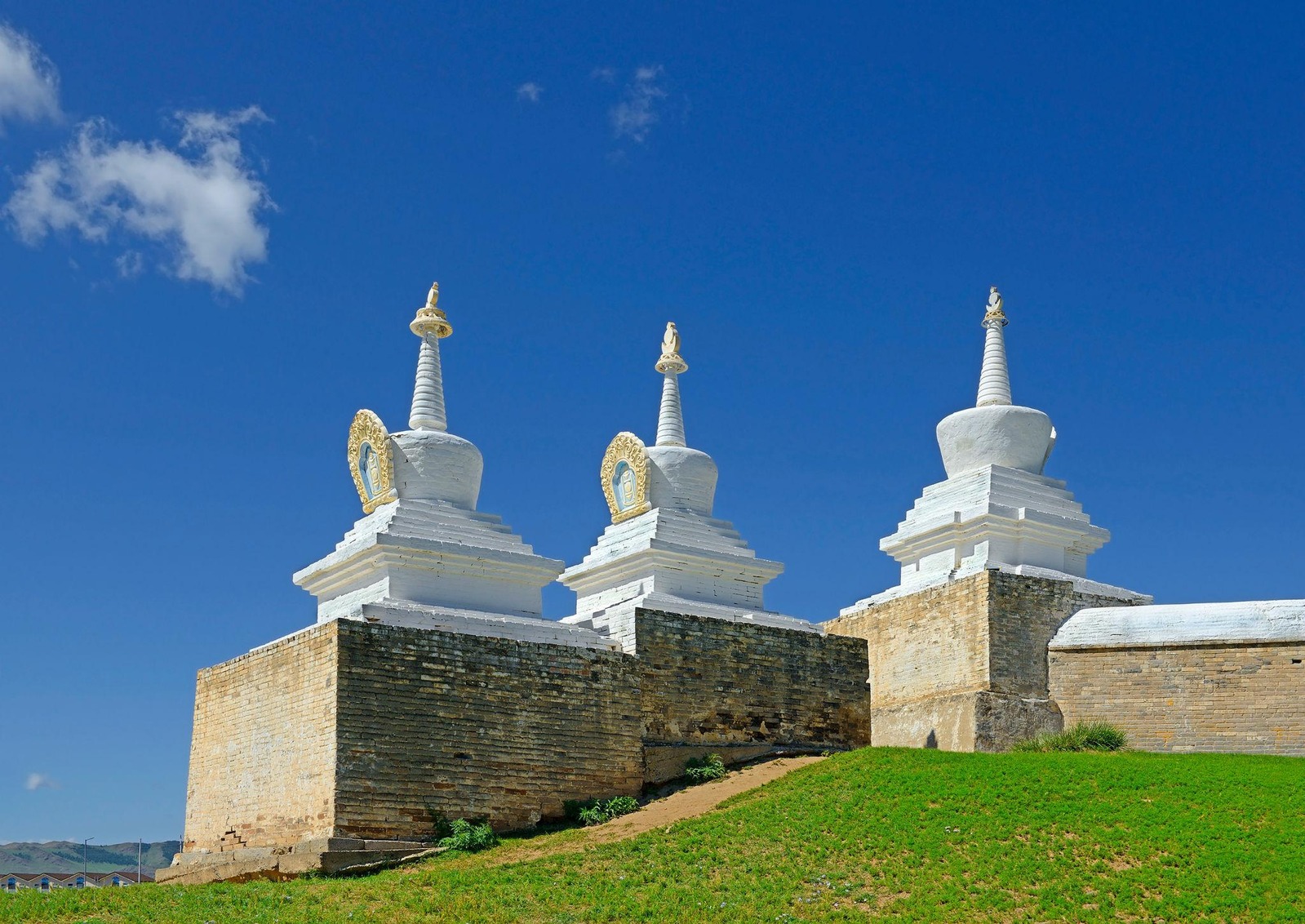
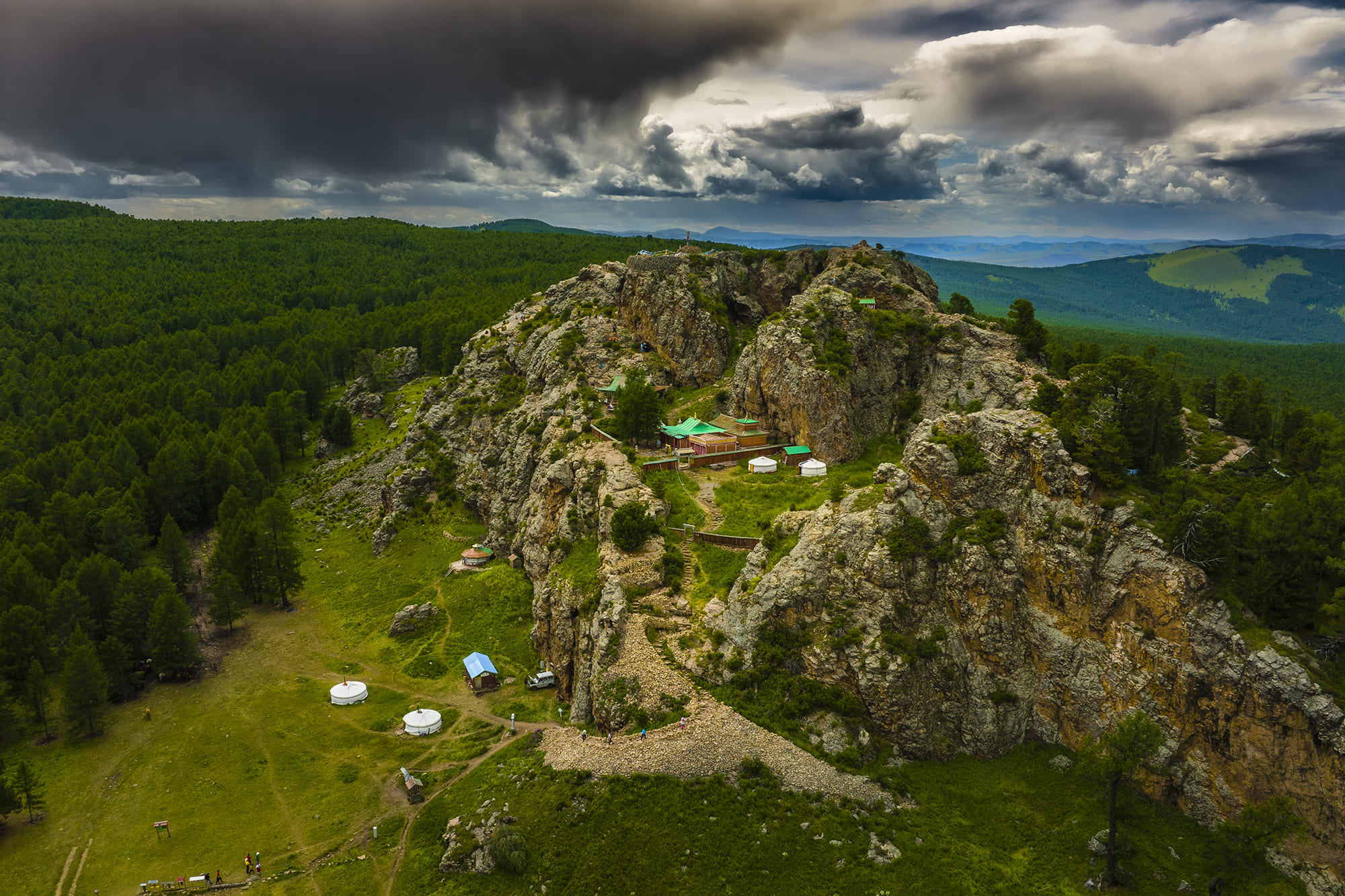
- Walk the site of Kharkhorum, capital of the Mongol Empire
- See the 8th-century Orkhon inscriptions, among the oldest Turkic writing
- Visit the dramatic Orkhon Waterfall (Ulaan Tsutgalan)
- Camp among nomadic herding families on the open valley pastures
Why Visit
Few places let you stand on ground that shaped the history of an entire continent while nomadic herders graze their animals around you, exactly as they have for two thousand years. The Orkhon Valley is Mongolia’s deepest layer of history, still very much alive.